
Underrated U.S. Destinations Worth Putting on the Family Itinerary
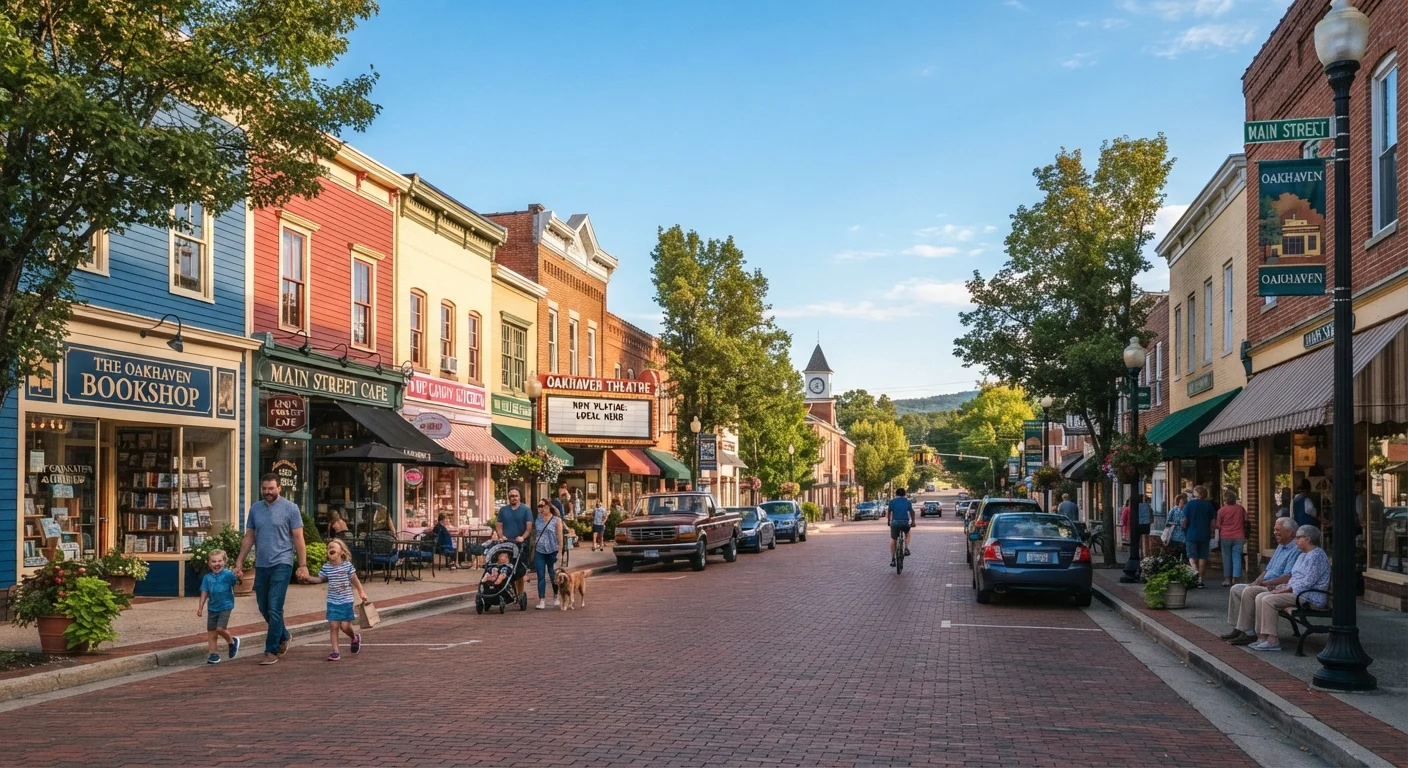
Photo credit: lifestyle-insights.com
In this article
Beyond the usual theme parks and coastal hotspots, these lesser-known American destinations offer genuine experiences at a fraction of the cost.
Key Takeaways
- Lesser-known U.S. destinations often cost significantly less than popular tourist hotspots while delivering equally memorable experiences.
- Many underrated spots have free or low-cost public lands, museums, and attractions well suited to families with children.
- Traveling outside peak season to these destinations can stretch a family budget even further.
- Road trips to off-the-beaten-path locations avoid expensive flight costs and give families more flexibility.
- Several overlooked American cities and regions offer world-class food, history, and outdoor access without premium pricing.
Why the obvious choices are not always the right ones
Orlando, New York City, and the California coast dominate family vacation planning for good reason: they deliver a lot. But they also deliver crowds, peak-season pricing, and costs that pile up faster than most families expect. Parking, food, and attraction fees alone can turn a five-day trip into a budget crisis.
The destinations below get far less attention than they deserve. Each one has genuine things for kids and adults to do, reasonable lodging options, and the kind of breathing room that makes a vacation feel like one. None of them require a specific time of year, though traveling in shoulder season can make any of them even more affordable. Before booking, it is worth reading up on the fees that catch families off guard so nothing comes as a surprise once you arrive.
Chattanooga, Tennessee
Chattanooga sits at the edge of the Cumberland Plateau and the Tennessee River, and it has built a genuinely family-friendly infrastructure without the theme-park price tag. The Tennessee Aquarium on the riverfront is one of the largest freshwater aquariums in the country and draws families who would otherwise drive past the city entirely. Lookout Mountain, a short drive from downtown, has hiking trails accessible to kids and sweeping views of seven states on a clear day.
Downtown itself is walkable, and the free electric shuttle bus that loops through the waterfront district means you are not constantly feeding a parking meter. Lodging options range from budget chain hotels to vacation rentals that sleep larger families without requiring multiple rooms. Food costs are noticeably lower than in comparable mid-sized cities, and the local barbecue and Southern food scene gives kids something to talk about long after the trip ends.
Chattanooga's free shuttle and affordable aquarium make it an easy family win without overspending.
Bend, Oregon
Bend has a reputation as an outdoor sports hub, but much of what makes it appealing for families costs little or nothing. The Deschutes River Trail is a paved path running several miles through town, usable for walking or cycling, and it is free. The nearby Newberry National Volcanic Monument has lava tubes children can walk through, a genuinely unusual experience that costs only a small day-use fee per vehicle.
The city also has a compact, walkable downtown where food prices remain reasonable compared to larger Pacific Northwest cities. In summer, the high-desert climate means hot afternoons but cool evenings, so outdoor time is pleasant without the humidity that makes some Southern and Midwestern destinations uncomfortable for kids. Camping at nearby state parks is an option that keeps lodging costs low for families who are comfortable with it.
Lava tubes, river trails, and a compact downtown give Bend real family appeal at a low daily cost.
Marquette, Michigan
Marquette sits on the southern shore of Lake Superior and is one of the largest cities in Michigan's Upper Peninsula, which is a low bar by population but a high bar by scenery. The lake beaches here are free, the water is cold and extraordinarily clear, and the surrounding forest has hundreds of miles of hiking and biking trails. Presque Isle Park, a free city park on a peninsula jutting into Lake Superior, has trails, picnic spots, and sunset views that rival anything in the region.
Lodging is affordable by Great Lakes standards, and the local economy runs on a mix of Northern Michigan University, outdoor tourism, and light industry, which keeps food and service prices grounded. The Upper Peninsula has a distinct regional culture, including Finnish-American pasty (a meat-and-vegetable pastry) shops, that gives the trip a cultural texture most families do not expect.
Free Lake Superior beaches and Presque Isle Park make Marquette one of the Midwest's most accessible outdoor destinations.
Taos, New Mexico
Taos occupies a different cultural and geographic space than almost anywhere else in the continental United States. The Taos Pueblo, a living Indigenous community that has been continuously occupied for over a thousand years, is a UNESCO World Heritage Site and one of the most historically significant places a family can visit. Access requires a small admission fee and a guided tour, and the experience is unlike any other in the country.
The surrounding high desert has excellent hiking, including trails through the Rio Grande del Norte National Monument that cost nothing to access. Downtown Taos has galleries, a historic plaza, and food options across a wide price range. Lodging in nearby communities can be less expensive than in town, and the drive from Albuquerque is scenic enough to qualify as its own attraction.
Taos Pueblo is one of the most historically significant and genuinely irreplaceable family experiences in the U.S.
Savannah, Georgia
Savannah tends to attract adult travelers drawn to its architecture and food scene, but it works well for families who know where to look. The city's 22 public squares are free outdoor spaces where kids can run around while adults appreciate the surroundings. Forsyth Park, the largest of them, has a fountain and open lawn that functions as a natural gathering point. The Telfair Museums include a children's museum component that is one of the more reasonably priced options in the region.
Savannah's historic district is compact enough to explore on foot, which eliminates transportation costs for much of the visit. Riverfront dining ranges from casual to formal, and the concentration of restaurants means competitive pricing. Day trips to nearby Tybee Island add a beach component without requiring a separate accommodation change, since the drive is about 20 minutes from the historic district.
Savannah's free public squares and walkable historic district give families a full itinerary with minimal spending required.
Duluth, Minnesota
Duluth anchors the western tip of Lake Superior and has a working port that children find genuinely fascinating. The Duluth Shipping News website and the free Canal Park area let families watch enormous lake freighters pass through a drawbridge at close range, an experience that costs nothing and holds attention across age groups. The Great Lakes Aquarium on the waterfront is one of the only freshwater aquariums in the country and charges admission fees that are modest compared to coastal equivalents.
The Lakewalk trail runs along the shore for several miles and is paved and accessible. Nearby state parks have waterfalls, agates on the beach, and camping for families who want to extend the trip. Duluth's food culture has grown considerably, with a range of options that skew affordable given the city's size. It also sits within a manageable drive of Minneapolis for families combining stops.
Watching lake freighters pass through Canal Park costs nothing and is one of the most memorable things kids can do in Duluth.
Getting the most out of wherever you land
A destination is only part of the equation. How you get there, where you stay, and how you structure each day determines whether the trip feels like a bargain or a drain. Families who make the most of these places tend to treat free public land as the backbone of their itinerary and treat paid attractions as occasional additions rather than daily commitments. State parks near many of these destinations often charge far less than national parks while offering comparable outdoor access.
If driving fits your situation, it removes airfare entirely and opens up destinations that would otherwise be impractical. Road trips with kids can be done frugally with a little planning, and the journey itself becomes part of the experience rather than dead time.
Mix free and paid attractions each day
A practical structure for these destinations is to anchor each day around one free activity, such as a public park, trail, or beach, and add one paid attraction. This keeps the daily spend predictable and gives kids variety without the budget pressure of back-to-back admission fees. Packing lunches for outdoor days also removes the cost of midday restaurant stops, which tend to be where family travel budgets quietly slip.

Author
Travel Editorial Team
Travel Editorial Team is the collective byline for our editorial team and contributor network. Articles published under this byline or an editorial pen name are researched, written, and reviewed according to our editorial standards for clarity, consistency, and independence before publication.
View all articles →