
DIY Car Maintenance Tasks Worth Learning and Those Better Left to a Mechanic
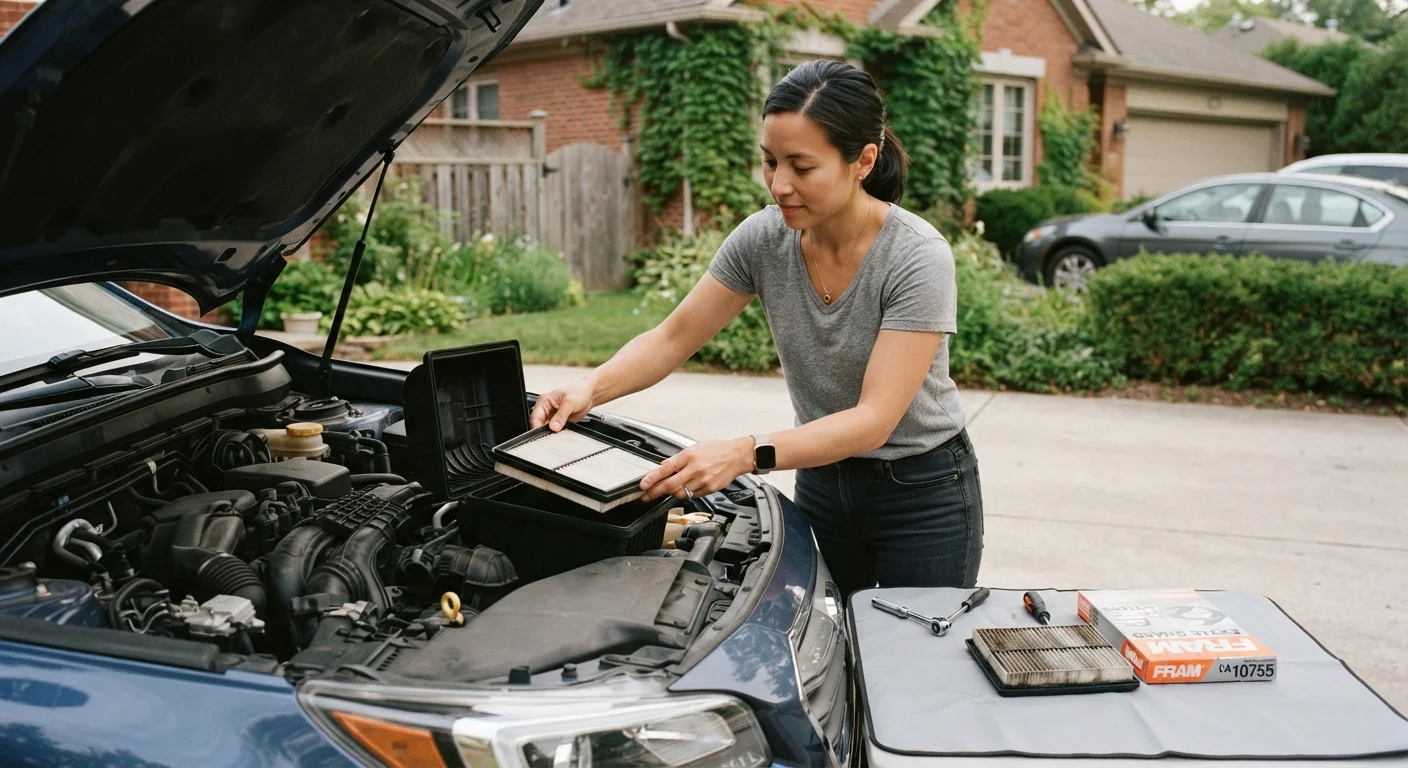
Photo credit: lifestyle-insights.com
In this article
Some jobs are genuinely manageable at home; others carry safety or legal risks. A realistic look at where the line falls for most family vehicles.
Key Takeaways
- Air filter swaps, wiper blade replacements, and cabin filter changes are low-risk tasks most drivers can handle at home.
- Brake system work, suspension repairs, and anything involving airbags carry real safety risks and should go to a qualified mechanic.
- The cost of a mistake on complex repairs typically exceeds what you would have paid a shop to do the job correctly.
- Documenting every service you perform yourself helps at trade-in time and keeps your maintenance history complete.
- Your owner's manual is the most reliable guide for service intervals and fluid specifications for your specific vehicle.
Why the DIY line matters for your budget
Labor accounts for a large portion of most shop invoices. For straightforward jobs, that markup can feel hard to justify. At the same time, a botched repair on a brake caliper or a suspension component can cost more to fix than the original job would have, and it can put your family at risk in the meantime.
The goal is not to avoid mechanics entirely. It is to be deliberate about which tasks belong in your driveway and which belong in a bay. Your owner's manual, your mechanical comfort level, and the specific job are the three variables that should drive that decision every time.
See our guide to keeping a maintenance log for a practical way to track every service you perform, whether you do it yourself or pay a shop.
Tasks most drivers can reasonably handle at home
These jobs share a common profile: they require basic tools, the consequences of a minor error are low, and clear instructions are available in the owner's manual or through the vehicle manufacturer's documentation.
- Engine air filter: On most vehicles, this is a matter of opening a housing, pulling the old filter, and pressing in a new one. No special tools required, and the job takes under ten minutes.
- Cabin air filter: Usually accessible behind the glove box or under the dashboard. Replacement intervals vary by manufacturer, so check your manual.
- Wiper blades: Blade arms have a release clip; new blades click into place. Manufacturers generally recommend replacement every six to twelve months depending on climate.
- Battery replacement: Straightforward on most vehicles, though some newer models with complex battery management systems may require a shop to reset the system after replacement. Confirm before you start.
- Checking and topping off fluids: Coolant reservoir, windshield washer fluid, and power steering fluid (where applicable) can be checked and filled at home. Always use the fluid type specified in your owner's manual.
Seasonal car care checks pair well with these tasks, since many fall naturally into a pre-season walkthrough.
| Task | DIY difficulty | Tools needed | Risk if done wrong | Typical shop cost saved | |
|---|---|---|---|---|---|
| Engine air filter | Very low | None | Very low | $20-$30 labor | |
| Wiper blades | Very low | None | Very low | $15-$25 labor | |
| Cabin air filter | Low | None or screwdriver | Very low | $15-$30 labor | |
| Battery replacement | Low to moderate | Wrenches | Low to moderate | $30-$60 labor | |
| Brake pad replacement | Moderate to high | Several specialty tools | High | $80-$150 labor | |
| Timing belt replacement | Very high | Many specialty tools | Very high | $200-$400 labor |
Jobs that carry real risk when done incorrectly
Some repairs look approachable but have failure modes that are genuinely dangerous or expensive to reverse. Brake work is the clearest example. A caliper installed incorrectly, a brake line with a compromised fitting, or rotors resurfaced below minimum thickness can all cause brake failure. The consequences are obvious.
Suspension and steering components fall in the same category. Worn ball joints or tie rod ends are common on higher-mileage vehicles, and replacing them requires alignment afterward. Skipping alignment can cause uneven tire wear and unpredictable handling. Without a proper alignment machine, you cannot confirm the geometry is correct.
Airbag system work should go to a certified technician in every case. Accidental airbag deployment causes serious injury, and many states have regulations governing airbag system modifications and repairs.
Transmission service on automatic transmissions can be done at home in some cases, but the procedure varies significantly by vehicle, and an error can result in transmission damage that costs thousands of dollars to repair. Timing belt or chain replacement also requires precise torque specifications and sequencing; an error can destroy an engine.
For families weighing how to allocate a limited repair budget, extending the life of a high-mileage vehicle depends on knowing which repairs are worth doing and in what order.
How to evaluate a specific job before starting
Before committing to any repair, work through four questions. First, does the task require specialized tools you do not own and cannot borrow, such as a torque wrench, spring compressor, or scan tool? Renting tools is an option, but factor that cost into your comparison with shop pricing.
Second, does the job require the vehicle to be safely raised off the ground? Working under a vehicle supported only by a floor jack is dangerous. Proper jack stands are non-negotiable, and if you do not have them, the job should wait or go to a shop.
Third, will the repair void your warranty or affect an emissions inspection? Some states require that certain repairs be performed by licensed technicians for the vehicle to pass inspection.
Fourth, are you confident you can diagnose the actual problem before you replace the part? Replacing a part based on a guess wastes money. Many auto parts retailers offer free diagnostic code reading for check-engine light situations, which gives you a starting point without committing to a repair.
This article is for general informational purposes. Always consult your vehicle's owner's manual and, for any safety-critical repair, a qualified mechanic before proceeding.

Author
Automotive Editorial Team
Automotive Editorial Team is the collective byline for our editorial team and contributor network. Articles published under this byline or an editorial pen name are researched, written, and reviewed according to our editorial standards for clarity, consistency, and independence before publication.
View all articles →