
Hidden Costs That Catch Families Off Guard on Vacation
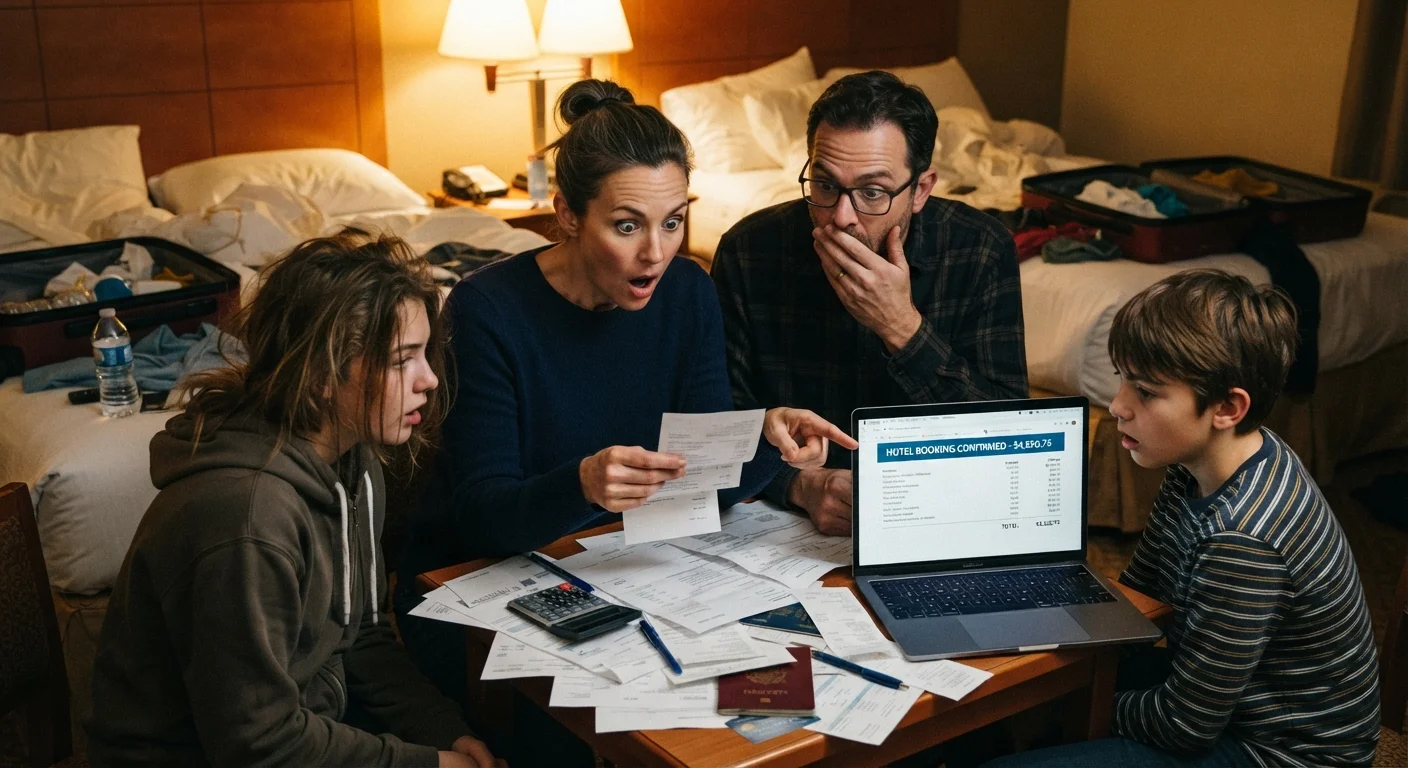
Photo credit: lifestyle-insights.com
Resort fees, parking charges, and attraction upsells can derail even a well-planned trip. Here's what to watch for and how to account for it ahead of time.
Key Takeaways
- Resort fees, parking charges, and attraction upsells are among the most common vacation budget surprises for families.
- Many hidden costs appear at checkout or on arrival, long after a family has committed to a booking.
- Asking specific questions before booking and building a buffer into the vacation budget can prevent most surprises.
- Rental car fees, baggage charges, and convenience dining costs are frequently underestimated by traveling families.
Why vacation budgets fall apart
A family can spend weeks comparing airfare, comparing hotel rates, and building a careful spreadsheet, and still arrive home with a credit card bill that looks nothing like the plan. The reason is almost always the same: the advertised price and the total cost are two different numbers, and the gap between them is filled with fees, charges, and upsells that are easy to miss before you go.
This is not a fringe problem. Travel industry data has consistently shown that add-on fees across lodging, rental cars, and air travel have grown substantially over the past decade, with the burden falling hardest on families who need multiple seats, multiple bags, and larger rooms. Air travel assumptions alone can add hundreds of dollars to a trip that looked affordable at the search stage.
The mistakes below are the ones that come up most often, and most of them are avoidable once you know where to look.
Ignoring resort fees when calculating accommodation costs.
Why it happens: Resort fees are often disclosed in fine print or added only at the final checkout screen, so families compare nightly rates without realizing the true per-night cost is higher.
Underestimating rental car fees, which can double the base rate.
Why it happens: Families often price the base rental rate and forget that collision coverage, additional driver fees, child seat rentals, and airport surcharges are billed separately at the counter.
Not accounting for parking costs at hotels, theme parks, and city attractions.
Why it happens: Parking is rarely listed in the main booking summary, so it drops off the mental checklist until the family arrives and sees the posted daily rate.
Treating baggage fees as optional or minimal.
Why it happens: A family traveling with four or more people, checking bags for each person, can pay baggage fees that rival a budget hotel night, but the cost is easy to dismiss when looking only at the ticket price.
Spending far more on food than planned because of convenience and upsells.
Why it happens: When families arrive hungry after travel or a long day at an attraction, they pay resort, theme park, or airport prices that are often two to three times what they would pay elsewhere.
Booking attraction tickets on-site at full walk-up prices.
Why it happens: Families often leave activity planning until they arrive, buying tickets at the gate where discounted options are not advertised and bundled passes are pushed instead.
How to build a vacation budget that actually holds
The single most useful habit is to search for the total cost of any booking, not the nightly or per-person rate. Most booking platforms now show a total-before-taxes line: use it as your baseline, then ask the property directly whether a resort or amenity fee is included in that figure. Many are not.
A practical approach is to add a 15 to 20 percent buffer to your accommodation and transportation totals. That buffer covers the charges that only appear at check-in, at the rental counter, or on a final bill. Families who skip the buffer often pull from their food or activity money, which compresses the fun part of the trip.
For dining, planning one or two grocery runs into the trip schedule reduces the pressure of eating every meal out. Vacation rentals with a kitchen can cut daily food costs significantly for larger families. Similarly, researching free or low-cost activities at your destination before you leave means you are less likely to default to expensive paid options out of convenience. Lesser-known U.S. destinations often have far more free programming than heavily commercialized spots.
The same awareness that helps on vacation applies at home. If your household is working to reduce overall spending, the same category-by-category review that trims monthly bills can also reveal where vacation spending quietly inflates.
Credit card charges abroad can compound quickly
Families traveling internationally should check whether their cards charge foreign transaction fees, which typically run 2 to 3 percent of each purchase. On a multi-week trip with multiple family members spending daily, those fees add up to a noticeable sum. Verify your card's fee structure before departure and consider whether a no-foreign-transaction-fee card makes sense for the trip.

Author
Travel Editorial Team
Travel Editorial Team is the collective byline for our editorial team and contributor network. Articles published under this byline or an editorial pen name are researched, written, and reviewed according to our editorial standards for clarity, consistency, and independence before publication.
View all articles →