
Building a Family Medicine Cabinet Without Overspending
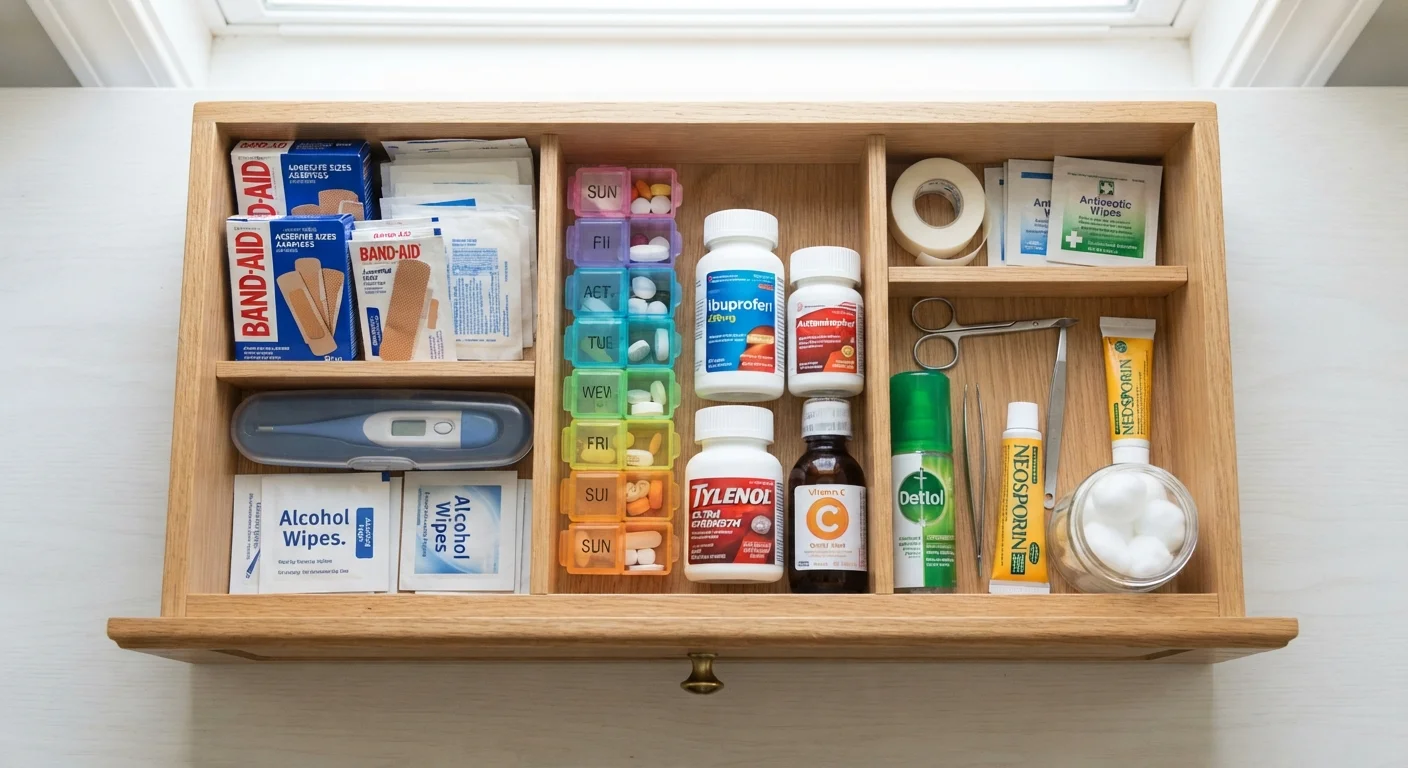
Photo credit: lifestyle-insights.com
In this article
A practical look at what a well-stocked home medicine cabinet typically includes, organized by purpose and family health stage.
Key Takeaways
- Generic medications contain the same active ingredients as name-brand products at a fraction of the cost.
- A well-stocked cabinet reduces unnecessary urgent care visits for minor ailments.
- Storage conditions affect medication potency; cool, dry locations are generally best.
- Expiration dates matter: rotating your supply regularly keeps the cabinet safe and effective.
- Families with young children or seniors need a few additional items beyond the standard baseline.
Why a stocked medicine cabinet saves money
A home medicine cabinet built around common needs is one of the more straightforward ways families avoid paying urgent care prices for minor problems. When a child spikes a fever at 11 p.m., having the right fever reducer on hand means a calm night at home rather than an expensive facility visit. According to the American College of Emergency Physicians, a large share of emergency room visits involve conditions that could be managed at home or in a lower-cost setting with basic supplies.
Generic medications are the foundation of an affordable cabinet. The FDA requires generic drugs to have the same active ingredient, strength, and dosage form as their brand-name counterparts. Choosing the generic version of common over-the-counter products typically cuts costs by 30 to 80 percent without changing what the medicine does. For families working through a household budget, see the family budget framework for guidance on planning irregular health expenses.
This checklist is general health information, not medical advice. Always consult a qualified healthcare professional for symptoms that concern you, before giving any medication to children, or if anyone in your household has a chronic condition or takes prescription medications.
What to gather before you stock up
Before purchasing anything, audit what you already have. Pull everything out, check expiration dates, and dispose of outdated items properly. Many pharmacies and some local law enforcement offices accept unused or expired medications through drug take-back programs; the DEA's National Prescription Drug Take Back Day is one option. Do not flush medications unless the label specifically instructs it.
Storage location matters. Contrary to the name, bathroom medicine cabinets are often poor choices because heat and humidity from showers degrade medications faster. A cool, dry drawer or shelf in a bedroom or hallway closet, out of reach of children, works well for most households.
Drug take-back program locator
Helps you find a safe, local disposal site for expired or unused medications before restocking.
Medication list template
A simple written or printed list of all household prescriptions and known allergies to keep in the cabinet for reference during emergencies.
Pill organizer or small labeled containers
Keeps the cabinet organized and reduces confusion about which product is which, especially in households with multiple users.
Permanent marker and masking tape
Label the date you opened or purchased each item so you can track freshness and rotate stock on schedule.
For families curious about low-cost or free community resources that complement a home cabinet, the community health resources guide covers federally qualified health centers and school-based clinics that many families do not know exist.
The core checklist
The items below cover the needs of most households. Families with infants, toddlers, or older adults should review the age-specific additions in the next section. When in doubt about any item's appropriateness for a family member's situation, check with a pharmacist or doctor first.
Pain and fever relief
Cold, allergy, and respiratory
Stomach and digestive
First aid and wound care
Skin and topical care
Age-specific additions
Medication safety for children and teens
Never give aspirin to anyone under 18 without explicit guidance from a doctor; it is associated with Reye's syndrome, a rare but serious condition. Always use the dosing device that comes with a children's liquid medication rather than a household spoon, since spoon sizes vary and can lead to under- or over-dosing. If you are unsure whether any over-the-counter product is appropriate for a child at a specific age or weight, ask a pharmacist before purchasing.
Knowing when home care is not enough is part of a complete plan. The urgent care vs. ER guide can help you decide quickly when symptoms move beyond what a home cabinet can address.
Keeping costs low over time
Buying in bulk for items your family uses regularly (adhesive bandages, acetaminophen) lowers the per-unit cost, but only if you will use the quantity before it expires. Compare unit prices rather than package prices, since larger containers are not always cheaper per dose.
Store loyalty programs and warehouse memberships can reduce costs on frequently restocked items. The recurring cost reduction guide covers how to evaluate whether memberships actually pay off for your household. Similarly, the household shopping decision checklist applies well to health supply purchases: buying more than you need is waste, not savings.
Set a calendar reminder to review your cabinet twice a year, perhaps when daylight saving time changes, to rotate stock and replace anything expired or depleted.
This article is for general informational purposes only and does not constitute medical advice. Consult a licensed healthcare professional before starting, stopping, or changing any medication, and before administering any product to children or individuals with existing health conditions.

Author
Health Editorial Team
Health Editorial Team is the collective byline for our editorial team and contributor network. Articles published under this byline or an editorial pen name are researched, written, and reviewed according to our editorial standards for clarity, consistency, and independence before publication.
View all articles →