
Family Road Trips on a Tight Budget: What Actually Works
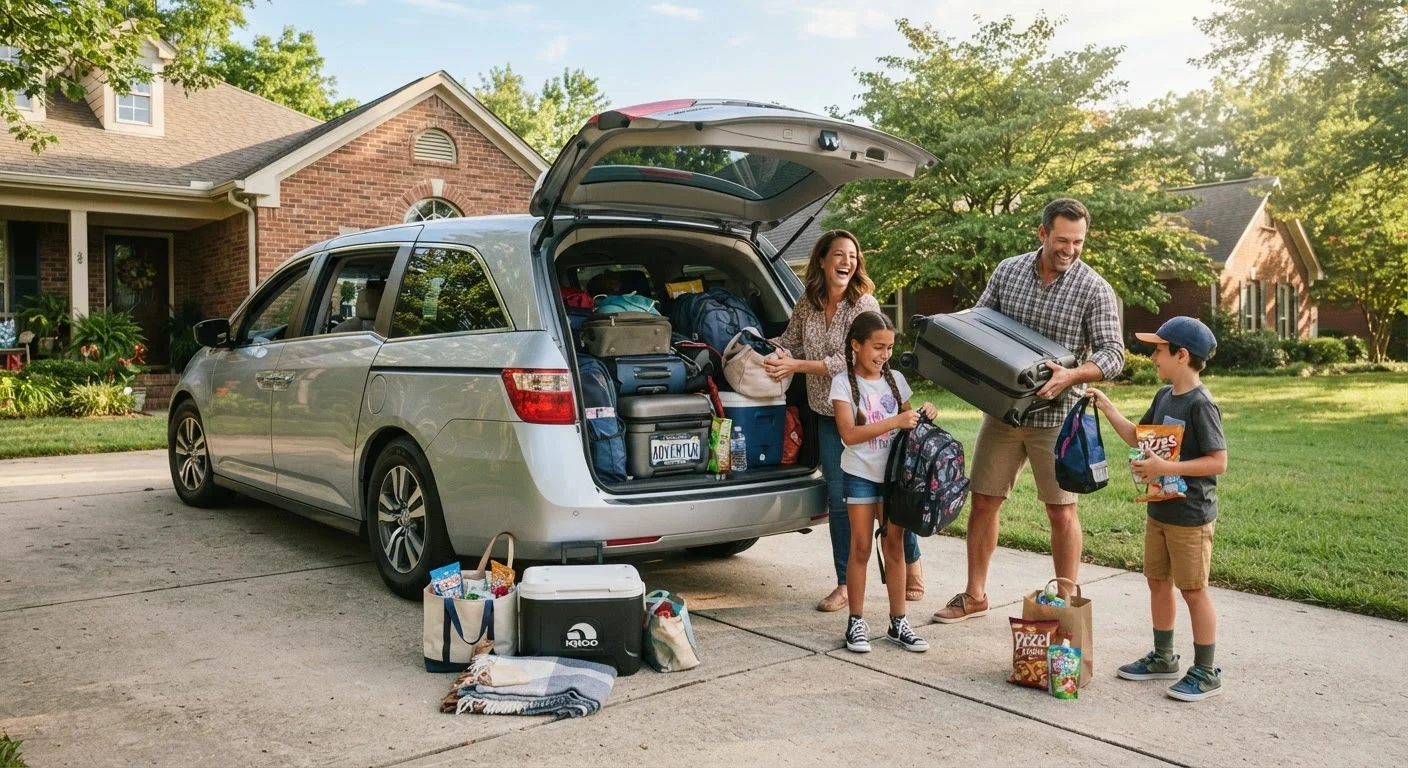
Photo credit: lifestyle-insights.com
In this article
Planning a road trip with kids without overspending? Here's what budget-savvy families actually do to cut costs and still have a great time.
Key Takeaways
- Packing your own food is consistently one of the highest-impact ways to cut road trip costs.
- Traveling outside peak summer weeks can lower lodging costs noticeably without sacrificing fun.
- State parks and free outdoor sites often deliver memorable experiences at a fraction of popular attraction prices.
- Knowing your vehicle's actual fuel and maintenance costs before you leave prevents budget surprises mid-trip.
- A written daily spending cap keeps the whole family accountable without killing spontaneity.
Why road trips can cost more than families expect
Gas, snacks, roadside meals, hotel overnights, admission fees, and those irresistible gift shops add up fast. A family of four driving from Chicago to Yellowstone and back can easily spend $3,000 or more without any single extravagant choice. The costs come from dozens of small decisions, each one feeling reasonable in the moment.
Understanding where the money actually goes is the first step. Fuel and lodging typically account for the largest share of a road trip budget. Food comes next, especially when families default to drive-throughs and convenience stores for every meal. Attractions and activities vary widely by destination, but unplanned stops are where many families lose the most ground. Resort fees, parking charges, and attraction upsells are the other silent budget-killers worth mapping out before you go.
None of this means road trips are off the table. It means the families who stretch their dollars the furthest are the ones who planned where the money would go before they left the driveway.
Practices that consistently lower road trip costs
These are not theoretical savings. They are what families who travel regularly on tight budgets actually do.
Pack a dedicated food cooler stocked before you leave home.
Restaurant and fast-food costs for a family of four can run $60 to $100 per day without any special splurges. Packing sandwiches, cut fruit, snacks, and drinks in a cooler cuts that figure dramatically. It also reduces the meltdowns that come from hungry kids waiting for a table. For families already working on food spending, the same habits covered in common grocery budget-busting patterns apply just as much on the road.
Set a written daily spending cap before the trip starts.
Vacation spending feels abstract until you check your bank account on the drive home. A daily cap, posted where everyone can see it, makes trade-offs concrete: if the family spends more at one attraction, they spend less at dinner. It also prevents the gradual budget creep that happens when each small purchase seems harmless on its own. A realistic household budget framework can help families set that cap based on actual income and savings rather than guesswork.
Book lodging at least three to four weeks in advance for peak travel windows.
Last-minute rooms in tourist areas during summer carry significant price premiums. Booking ahead also gives you time to compare options, such as a vacation rental that includes a kitchen versus a standard hotel room, which directly affects your food budget. Families traveling with young children often find that a kitchen or kitchenette pays for itself within a single day.
Use free and low-cost outdoor activities as the backbone of each day's itinerary.
Paid attractions charge per person, so a family of four pays four times whatever the admission price is. At $25 per person, a single attraction costs $100 before anyone eats or buys a souvenir. Free hiking, swimming at public beaches, town festivals, and state park trails deliver full days without that per-head cost structure.
Track fuel costs with a simple running total, not just a feeling.
Fuel is often the largest single expense on a road trip, and families frequently underestimate it by basing projections on highway MPG rather than actual mixed-driving MPG with a loaded vehicle. Keeping a simple running tally helps you adjust spending in other categories if fuel runs higher than expected.
For lodging specifically, the choice between a vacation rental and a hotel depends heavily on your group size and how many nights you are staying. A side-by-side breakdown of both options can help you choose based on your trip's actual structure rather than habit.
Timing, destinations, and the free stuff that matters
Where and when you go shapes the budget as much as how you behave on the road. Peak summer travel, specifically the weeks around the Fourth of July and the last two weeks of August, carries a real price premium on hotels, campgrounds, and even fuel in tourist corridors. Traveling just outside peak season can mean 20 to 40 percent lower lodging rates at many popular destinations, and shorter lines at attractions that cost admission.
Destinations matter too. National parks draw crowds and charge entry fees, but state parks frequently offer comparable scenery with lower fees and fewer vehicles in the parking lot. A comparison of national and state parks for families breaks down where the real value difference lies. Beyond parks, lesser-known American destinations often cost far less per day than the marquee spots most families default to.
Free activities, whether that is a town's public waterfront, a historical site with no admission charge, or a trail the kids can explore, give the trip texture without cost. Build several into each day's itinerary so paid activities feel like a deliberate choice rather than the only option.
Keeping the car trip-ready without overspending
A breakdown on the highway costs far more than preventive maintenance ever would. Before any long trip, check tire pressure, oil level, coolant, and windshield wipers. If your vehicle is near a service interval, handle it before departure rather than mid-trip. The full picture of car ownership costs is useful context for families who want to understand what their vehicle actually costs per mile, which matters when calculating whether driving is cheaper than flying for a given trip.
Fuel efficiency drops when a vehicle is overloaded or when roof carriers are added without thought. Packing light and keeping weight low can measurably affect your fuel consumption over a multi-day drive. If your vehicle has high mileage, consistent maintenance habits reduce the chance of an expensive surprise appearing somewhere between Nashville and New Orleans.
Carrying a basic emergency kit, including jumper cables, a flashlight, and a first-aid kit, costs almost nothing upfront and can prevent much larger expenses on the road.

Author
Travel Editorial Team
Travel Editorial Team is the collective byline for our editorial team and contributor network. Articles published under this byline or an editorial pen name are researched, written, and reviewed according to our editorial standards for clarity, consistency, and independence before publication.
View all articles →