
Generic vs. Brand-Name Medications: What the Difference Actually Means
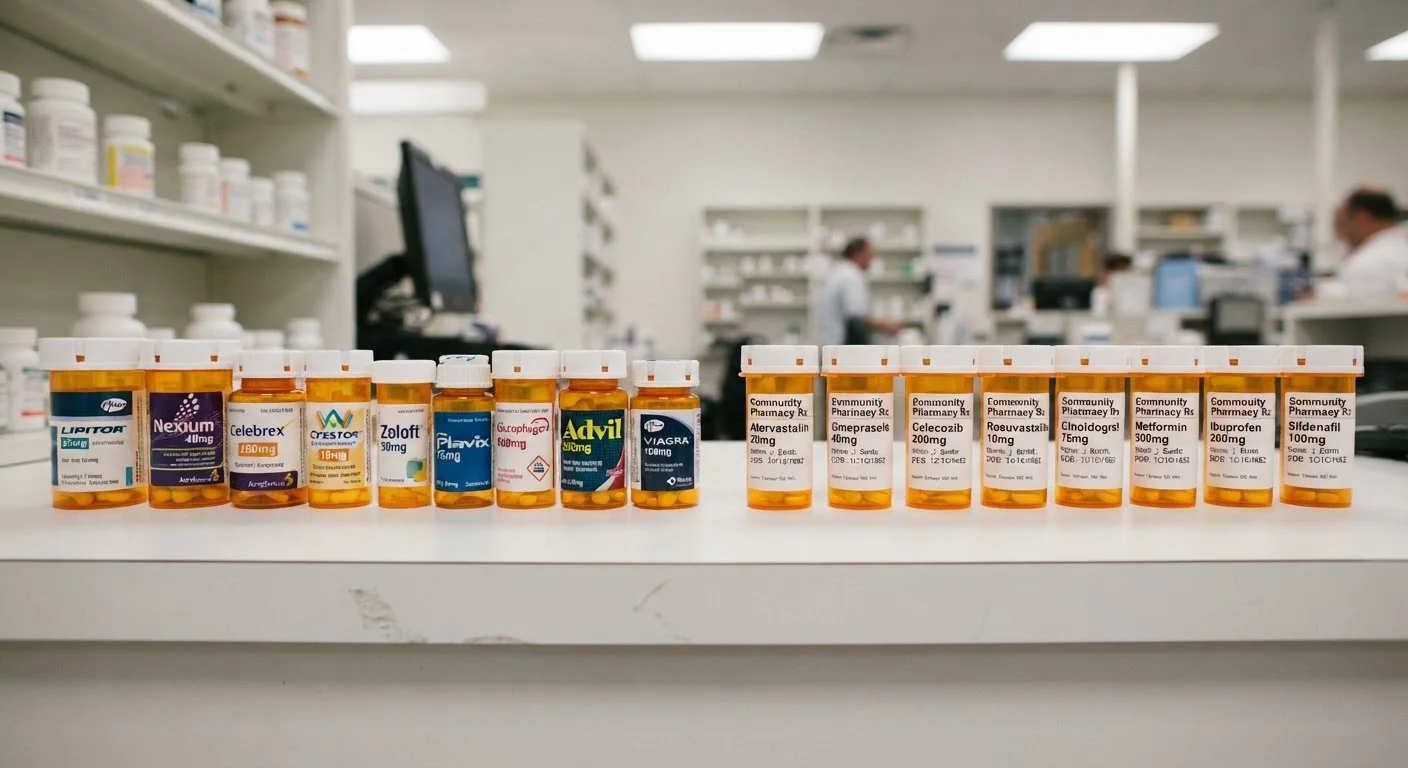
Photo credit: lifestyle-insights.com
In this article
A clear, factual breakdown of how generic drugs are regulated, how they compare to brand-name versions, and what families should ask a pharmacist.
Key Takeaways
- Generic drugs contain the same active ingredient, strength, and dosage form as the brand-name version.
- The FDA requires generics to meet bioequivalence standards before they can be sold.
- Generic medications typically cost 80 to 85 percent less than their brand-name counterparts.
- Inactive ingredients can differ between versions, which occasionally matters for people with specific allergies.
- Always consult a pharmacist or physician before switching between formulations, especially for narrow therapeutic index drugs.
What makes a drug 'generic'
A generic medication is a copy of a brand-name drug that contains the same active ingredient in the same amount and the same dosage form (tablet, capsule, liquid, etc.). The U.S. Food and Drug Administration (FDA) requires generic manufacturers to demonstrate bioequivalence, meaning the generic must deliver the active ingredient into the bloodstream at the same rate and to the same extent as the original. This is tested in human studies before approval is granted.
Brand-name drugs receive patent protection when they are first approved, which gives the original manufacturer an exclusive period to sell the drug. Once those patents expire, other manufacturers can apply to produce generics. That competition is the main reason prices fall so sharply when generics enter the market.
| Criterion | Brand-name medications | Generic medications |
|---|---|---|
| Active ingredient | Original formulation | Identical by FDA requirement |
| Bioequivalence | Reference standard | Must match reference standard |
| Inactive ingredients | Manufacturer specific | May differ between manufacturers |
| Typical cost | Higher (patent protection) | 80-85% lower on average |
| Appearance | Trademarked design | Different color, shape, or size |
| Availability | Always available at launch | Available after patent expiry |
| FDA approval required | Yes (New Drug Application) | Yes (Abbreviated NDA) |
Where generics differ from brand-name versions
Inactive ingredients, sometimes called excipients, are where real differences can appear. These include fillers, binders, colorants, and coatings used to form the pill or capsule. The FDA allows these to vary between manufacturers, and that variation is generally harmless for most people. However, someone with an allergy to a specific dye or a sensitivity to lactose (used as a filler in some tablets) may react differently to two versions of the same drug.
Appearance is another obvious difference. Because trademark law prohibits exact copying of a pill's color, size, and shape, generics often look different from the brand-name version. This is cosmetic and has no effect on how the drug works.
There is one narrower category where formulation differences warrant closer attention: drugs described as having a narrow therapeutic index. For these medications, the difference between a therapeutic dose and a harmful one is small, and even minor changes in how the body absorbs the drug can matter. Examples include levothyroxine (thyroid hormone replacement) and certain anticonvulsants. For those specific drugs, physicians and pharmacists often advise patients to stay consistent with one manufacturer rather than switching between formulations.
This article is for general informational purposes only and does not constitute medical advice. Always consult a licensed healthcare provider or pharmacist about medications specific to your health situation.
The cost gap and what it means for families
The FDA reports that generic drugs save U.S. consumers hundreds of billions of dollars each year. For a family filling multiple prescriptions monthly, the difference can be substantial. A brand-name drug might cost several hundred dollars for a month's supply, while the generic version of the same medication may cost under thirty dollars at many pharmacies, and even less with discount programs.
90%
Share of U.S. prescriptions filled as generics
According to the FDA, generic drugs account for roughly 90 percent of all prescriptions dispensed in the United States.
$338B
Estimated annual savings from generic drug use
The Association for Accessible Medicines has estimated that generic and biosimilar medicines save the U.S. health care system hundreds of billions of dollars annually.
80-85%
Average price reduction vs. brand-name equivalent
The FDA states that generic drugs typically cost 80 to 85 percent less than the brand-name version of the same medication.
Cost savings are also available through other channels. Many state Medicaid programs and the federal Medicare Part D program cover generics at lower copays than brand-name drugs. Community health centers and free clinic programs often stock generics for uninsured patients. Asking a pharmacist to run a price comparison across available manufacturers for the same generic drug can also surface additional savings, since generic prices vary by manufacturer and by pharmacy.
For families comparing store-brand products more broadly, the same principle of ingredient equivalence applies in many product categories. Understanding when store-brand equivalence holds can help households save across multiple spending areas, not just prescriptions.
Questions worth asking your pharmacist
Pharmacists are one of the most accessible and underused health resources available without an appointment. Before filling any new prescription, a few direct questions can help a family make a confident, informed choice.
- Is a generic available for this medication, and is it covered by my insurance?
- Do the inactive ingredients in the generic differ in any way that might affect me given my known allergies?
- Is this a narrow therapeutic index drug where staying with one manufacturer matters?
- Are there patient assistance programs from the manufacturer if cost is a barrier?
Pharmacists can also flag when a prescriber may have written "dispense as written" on a prescription, which prevents substitution with a generic. In those cases, asking the prescriber whether a generic is medically appropriate for your situation is reasonable and often results in a change to the prescription.

Author
Health Editorial Team
Health Editorial Team is the collective byline for our editorial team and contributor network. Articles published under this byline or an editorial pen name are researched, written, and reviewed according to our editorial standards for clarity, consistency, and independence before publication.
View all articles →