
Getting the Most Life Out of a High-Mileage Family Vehicle
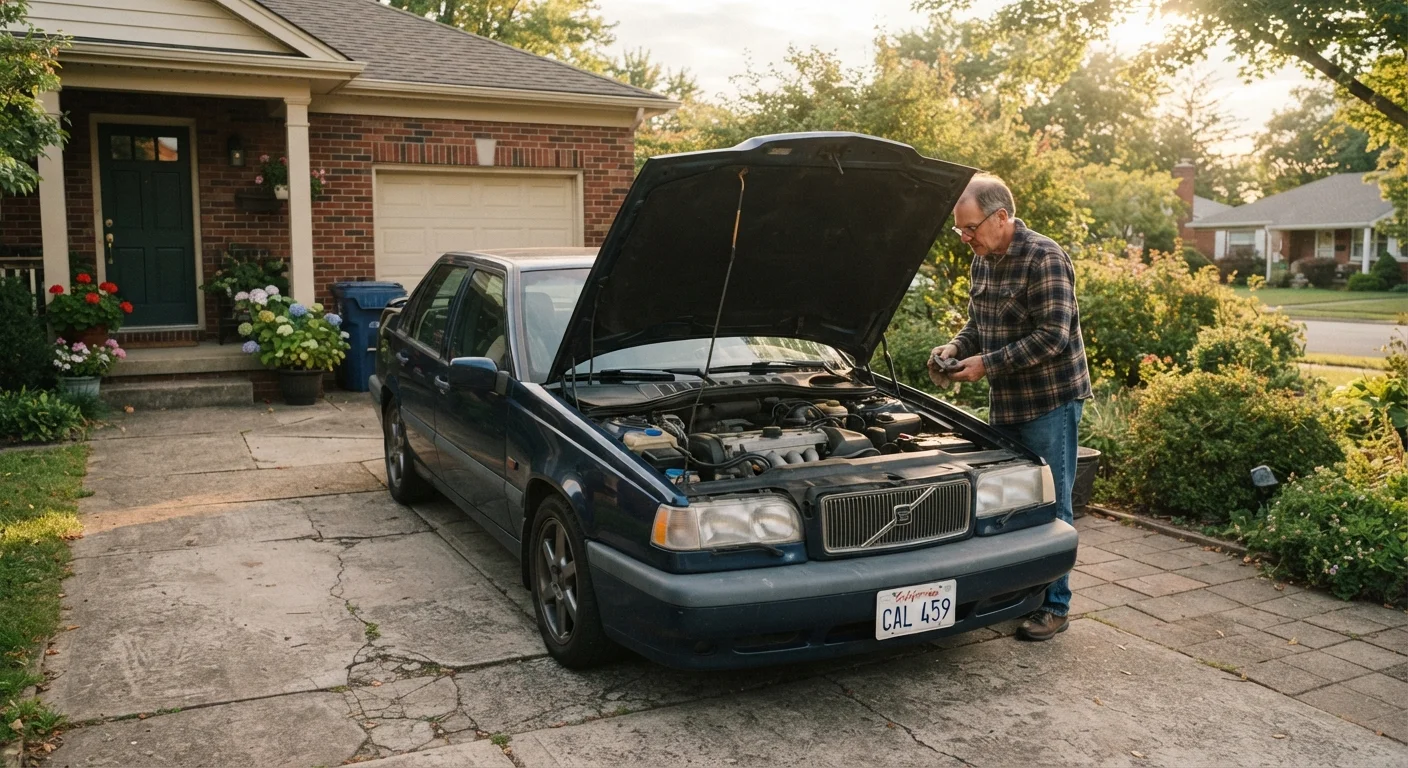
Photo credit: lifestyle-insights.com
In this article
With consistent care and smart habits, many vehicles run reliably well past 150,000 miles. These practices help extend useful life and control repair costs.
Key Takeaways
- Fluid changes on schedule do more to extend engine life than almost any other single habit.
- Addressing small problems early typically costs far less than waiting for them to compound.
- A written maintenance log makes it easier to spot patterns and supports resale value.
- Driving habits directly affect how quickly wear accumulates on high-mileage components.
- Tires, brakes, and cooling systems deserve closer attention as mileage climbs past 100,000.
Why high-mileage vehicles can still be a sound investment
A vehicle crossing 100,000 miles is not automatically a liability. Many engines and transmissions are designed to run well past 150,000 miles when they receive consistent care. For families watching their budgets, keeping a paid-off vehicle running reliably for several more years almost always costs less than taking on a new car payment, even after factoring in maintenance and occasional repairs.
The difference between a high-mileage vehicle that becomes a money pit and one that keeps running usually comes down to habits, not luck. See our overview of total ownership costs for a fuller picture of what to plan for at any mileage level.
Core practices for extending vehicle life
The practices below apply regardless of make or model. Some are inexpensive; others require a modest investment. All of them tend to pay back more than they cost.
Follow the manufacturer's oil change interval, not the old 3,000-mile rule
Modern engines and synthetic oils are engineered for longer intervals than the old standard. Changing oil more often than necessary wastes money; changing it less often lets contaminants build up and accelerate wear. The owner's manual gives the correct interval for your specific engine.
Inspect and replace coolant, transmission fluid, and brake fluid on schedule
These fluids degrade over time and lose their protective properties. Coolant that has become acidic corrodes the radiator and water pump from the inside. Old transmission fluid accelerates internal wear that leads to expensive rebuilds.
Check tire pressure monthly and rotate tires on schedule
Underinflated tires wear unevenly, reduce fuel economy, and put extra stress on suspension components that are already accumulating wear on a high-mileage vehicle. Regular rotation evens out wear patterns and extends tire life.
Address warning lights and unusual noises promptly, not eventually
Small mechanical problems rarely stay small. A worn serpentine belt that costs around $50 to replace can snap and disable power steering, the alternator, and the water pump simultaneously. Early attention to abnormal sounds or dashboard warnings usually means cheaper repairs.
Warm the engine gently before hard acceleration, especially in cold weather
Oil pressure builds within the first few seconds of startup, but oil does not reach full operating temperature or viscosity quickly in cold conditions. Aggressive acceleration before the engine reaches operating temperature increases wear on cylinders and bearings.
Inspect belts, hoses, and the cooling system annually past 100,000 miles
Rubber components degrade from heat cycles and age, not just from mileage. A cracked coolant hose or a timing belt near the end of its service interval can cause severe engine damage when it fails. These are cheap to replace preventively.
Quick steps to take right now
If your vehicle is already in the six-figure mileage range, a few immediate actions can catch developing problems before they grow. Tracking what you do matters too: a simple maintenance log gives you a record to reference and helps a mechanic diagnose issues faster.
When to repair versus when to move on
Not every repair is worth making. A useful rule of thumb: if a single repair costs more than the vehicle's current market value, or if multiple major systems are failing at once, that is the point to reconsider whether continued investment makes sense. Otherwise, individual repairs on an otherwise sound vehicle are often economical compared to a replacement purchase.
For tasks you are uncertain about, this guide on DIY versus professional work outlines where the line typically falls. Some jobs are genuinely manageable at home; others carry real risk if done incorrectly.
This article is for general informational purposes only. Always consult a qualified mechanic before making decisions about vehicle repairs or modifications.

Author
Automotive Editorial Team
Automotive Editorial Team is the collective byline for our editorial team and contributor network. Articles published under this byline or an editorial pen name are researched, written, and reviewed according to our editorial standards for clarity, consistency, and independence before publication.
View all articles →