
Community Health Resources Most Families Have Never Heard Of
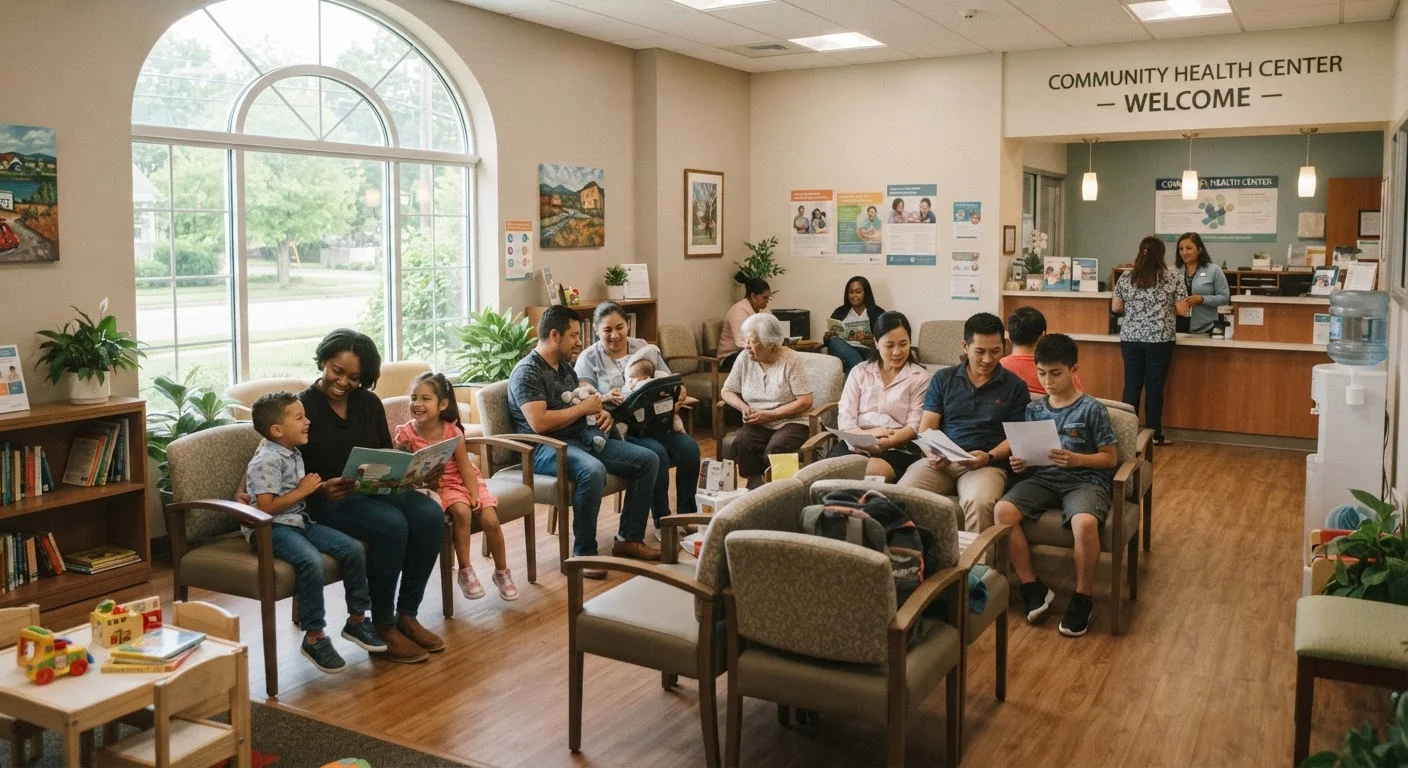
Photo credit: lifestyle-insights.com
From federally qualified health centers to school-based clinics, discover often-overlooked public health resources available in many U.S. communities.
Key Takeaways
- Federally Qualified Health Centers provide care on a sliding-fee scale regardless of insurance status.
- School-based health clinics offer convenient care for children during the school day at little or no cost.
- Area Agencies on Aging connect older family members to free screenings, meals, and case management.
- State and county health departments run free or low-cost immunization and screening programs.
- HRSA's Health Center Finder and 211 are free tools that locate local services quickly.
Health resources hiding in plain sight
Most families know about their local emergency room and pediatrician's office. Far fewer know about the network of publicly funded, community-based health programs operating in their zip code. These programs exist precisely because gaps in coverage, high deductibles, and transportation barriers keep too many households from getting routine care. Understanding what is available can make a real difference in both health outcomes and out-of-pocket costs.
This article is general health information and does not constitute medical advice. For any personal health concern, consult a qualified healthcare provider.
Federally Qualified Health Centers (FQHCs)
FQHCs are community-based clinics funded under Section 330 of the Public Health Service Act. They must offer primary care, dental, mental health, and substance use services on a sliding-fee scale tied to household income. Patients pay what they can afford, and no one is turned away for inability to pay. The Health Resources and Services Administration (HRSA) reports that FQHCs serve millions of patients annually, with a large share uninsured or covered by Medicaid.
To find the nearest FQHC, use the Health Center Finder at findahealthcenter.hrsa.gov or call 1-877-464-4772 for assistance.
FQHCs charge on a sliding scale, so no family is turned away for inability to pay.
School-based health centers
More than 3,000 school-based health centers operate across the United States, according to the School-Based Health Alliance. These clinics sit inside or adjacent to schools and typically provide physical exams, immunizations, mental health counseling, and treatment for minor illnesses. Because care happens during the school day, parents avoid taking time off work. Many centers accept Medicaid and CHIP, and some provide services at no charge for uninsured students.
Contact your child's school district office or school nurse to ask whether a health center is on site or affiliated with a nearby school.
School-based centers let children receive care during school hours, removing a key access barrier for working parents.
Local health department programs
County and city health departments run programs that often go unnoticed by families with private insurance. These include free or very low-cost immunization clinics, tuberculosis testing, sexually transmitted infection screenings, lead screening for children, and WIC (Women, Infants, and Children) nutrition support. Some departments also operate family planning clinics and chronic disease management programs.
Services and eligibility vary by location. Search your county name plus "health department" online, or visit your state health department's website for a directory of local offices.
County health departments offer free immunizations and screenings that apply to families at any income level.
Area Agencies on Aging
For families caring for a parent or grandparent, the network of Area Agencies on Aging (AAAs) is one of the least publicized resources available. Authorized under the Older Americans Act, AAAs coordinate services for adults aged 60 and older. These services can include free health screenings, nutrition programs such as congregate meals and home-delivered meals, caregiver support, transportation assistance, and connection to Medicare counseling through State Health Insurance Assistance Programs (SHIPs).
The Eldercare Locator, a service of the U.S. Administration on Aging, connects callers to their local AAA at 1-800-677-1116 or at eldercare.acl.gov.
Area Agencies on Aging coordinate free nutrition, transportation, and health screening services for adults 60 and older.
Community mental health centers
Every state has a network of publicly funded community mental health centers. These facilities provide outpatient therapy, psychiatric evaluation, crisis intervention, and sometimes case management for individuals with serious mental health conditions. Fees are typically on a sliding scale. For families navigating mental health questions, these centers are often far more affordable than private practices, and many accept Medicaid.
To find a center, visit the Substance Abuse and Mental Health Services Administration (SAMHSA) treatment locator at findtreatment.gov or call SAMHSA's National Helpline at 1-800-662-4357, which is free and confidential. For more context on approaching mental health as a family, see our article on separating mental health myths from research.
SAMHSA's free helpline and online locator connect families to publicly funded mental health centers in any state.
Free and charitable clinics
Outside the federally funded system, a national network of free and charitable clinics operates primarily through volunteer medical professionals and donations. The National Association of Free and Charitable Clinics (NAFC) represents hundreds of member clinics. These clinics typically serve uninsured or underinsured patients and can provide primary care, prescription assistance, and dental or vision services depending on local resources.
Eligibility requirements differ by clinic. Search the NAFC directory at nafcclinics.org or ask a local library or social worker for referrals. If a visit turns urgent before you find a clinic, our guide on choosing between urgent care and the ER can help you pick the right setting.
Free and charitable clinics staffed by volunteers provide primary and specialty care for uninsured patients in many communities.
Making the most of what your community offers
The resources above are not charity programs in the traditional sense. Most are federally authorized, professionally staffed, and held to the same clinical standards as private practices. The main barrier is awareness. Calling 211 (a free, nationwide social services helpline) or using the Health Resources and Services Administration's online Health Center Finder are two quick starting points for locating nearby options.
Start with a single phone call
Dialing 211 connects you to a local operator who can identify health, housing, food, and social services available in your area. The service is free, available in multiple languages, and operates in most U.S. communities. It is often the fastest way to find resources that do not appear easily in a general internet search.
If your family is navigating coverage decisions alongside these resources, our plain-language insurance guide can help clarify what your plan actually covers. And before skipping a routine visit to save money, it is worth reading about what preventive care visits include and how they differ from sick visits under most plans.

Author
Health Editorial Team
Health Editorial Team is the collective byline for our editorial team and contributor network. Articles published under this byline or an editorial pen name are researched, written, and reviewed according to our editorial standards for clarity, consistency, and independence before publication.
View all articles →