
Camping as a Family Vacation: A First-Timer's Complete Introduction
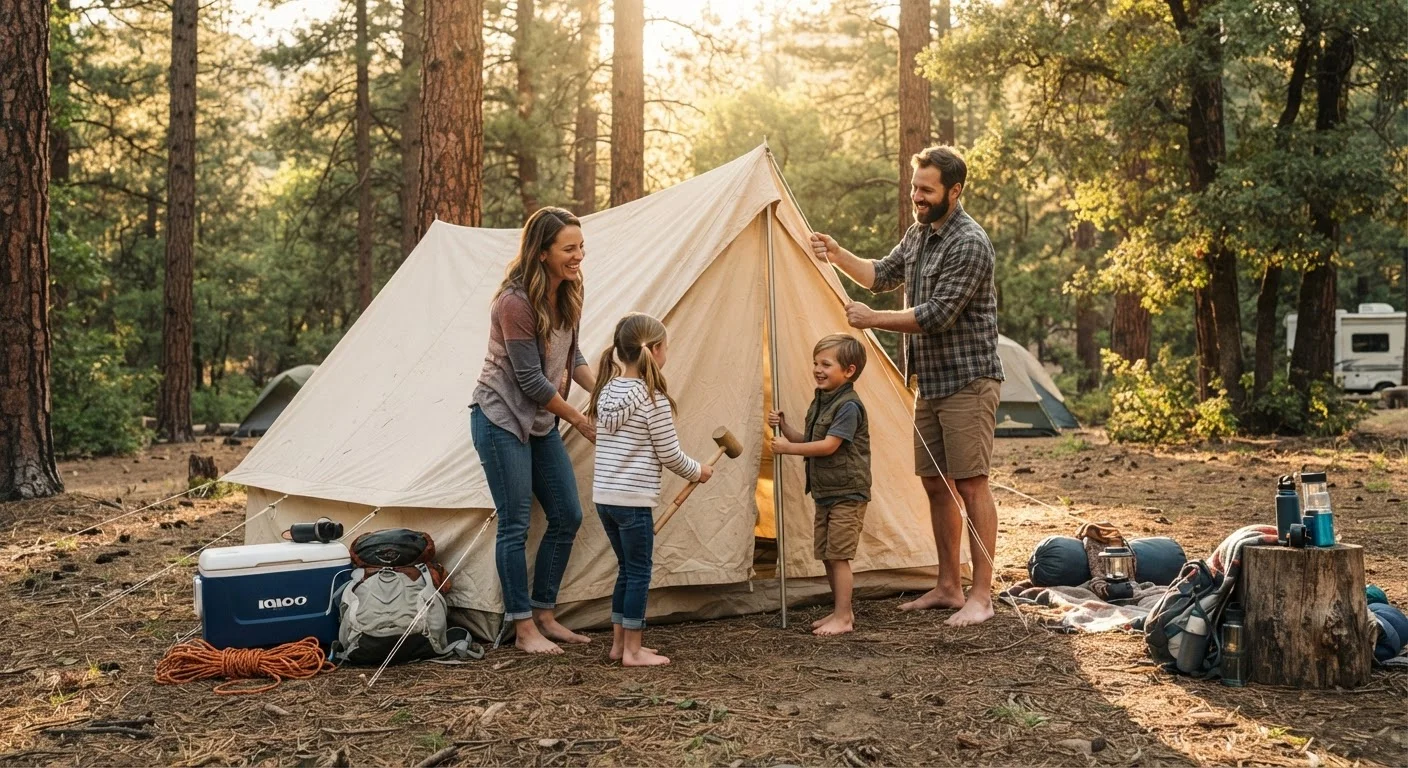
Photo credit: lifestyle-insights.com
In this article
Never camped with kids before? This guide walks through site selection, gear basics, meal planning, and safety so your first trip goes smoothly.
Key Takeaways
- Campsite fees are typically far lower per night than hotel or vacation rental rates, making camping one of the most cost-effective family lodging options.
- Choosing a developed campground with restrooms and running water makes the first trip far less stressful for families new to the outdoors.
- Renting or borrowing gear before buying lets you test what actually works for your family without committing to large upfront costs.
- Simple, pre-prepped meals reduce campsite cooking stress and cut down on food waste.
- Basic safety habits, like storing food properly and knowing campground rules, prevent most common camping problems.
Why camping works so well for family budgets
Campsite fees at U.S. state parks typically run $20 to $50 per night, and many national forests offer free or very low-cost primitive sites. Compare that to the average hotel room or vacation rental for a family of four, and the savings add up fast. When you also cook most of your meals instead of dining out, a three-night camping trip can cost a fraction of what most family vacations run.
The cost structure works differently than other lodging. There are no per-person surcharges for children, no resort fees tacked onto the bill at checkout, and no parking charges. If you want to understand the full picture of what trips really cost, our piece on hidden vacation costs lays out what to watch for. Camping sidesteps most of those traps by design.
Beyond the numbers, camping gives kids unstructured outdoor time that most other vacations don't. There is no schedule to keep, no waiting for attractions to open, and no pressure to get value out of expensive tickets. That low-pressure format tends to work well with young children, who often care more about exploring a creek or roasting marshmallows than about any organized activity.
A short trial run pays off
Consider booking a single night at a campground within an hour of home before planning a longer trip. This lets your family get comfortable with the routine of setting up, sleeping outdoors, and cooking at a site without the pressure of a full vacation on the line. Gear gaps and sleep preferences become clear quickly, and you can address them before a longer commitment.
Choosing the right campsite for first-timers
For a first trip, a developed campground is the right call. Developed means the site has fire rings, picnic tables, and at minimum vault toilets, with many also offering running water and shower facilities. These basics remove a significant layer of difficulty for families who have never camped before.
State park campgrounds are a practical starting point. They're generally well-maintained, have ranger staff on-site or nearby, and are spread across every state so there's likely one within a few hours of home. National park campgrounds are worth considering too, but book far ahead because they sell out quickly in summer.
When comparing specific sites within a campground, look for a few things: proximity to restrooms, whether the site is in a loop with other families (good for kids, but also noisier), and shade coverage. Avoid sites right next to the entrance road or adjacent to dump stations. Campground review sections on reservation platforms often include photos that campers have uploaded, which give a realistic preview.
Your first trip is also worth keeping short, one or two nights, and close to home. If something is forgotten or a child decides camping isn't for them, it's easy to pivot. A shakedown trip near home also helps you figure out what gear worked before committing to a longer adventure.
Gear basics without overspending
You do not need to buy everything new. The core items for a first trip are a tent sized for your family, sleeping bags rated for the expected overnight temperature, sleeping pads, a camp stove, a cooler, and a basic cooking kit. Everything else is nice to have but not essential.
Developed campground
A campsite with built-in amenities such as fire rings, picnic tables, and restrooms. This is different from primitive or backcountry camping, which has few or no facilities.
Sleeping pad
A foam or inflatable mat placed under a sleeping bag to insulate the sleeper from the cold ground and add cushioning.
Bear box
A metal storage locker at a campsite designed to keep food and scented items away from wildlife. Many developed campgrounds provide one at each site.
Shakedown trip
A short, low-stakes practice trip close to home used to test gear and identify what is missing or not working before a longer journey.
Foil packet meal
A camping cooking method where ingredients are wrapped tightly in heavy-duty aluminum foil and cooked directly in coals or on a grill grate.
Borrowing gear from friends or family for a first trip is common and smart. If borrowing isn't an option, many outdoor retail stores rent equipment. Renting lets you figure out whether a six-person tent actually fits your family's sleep style before spending money on one. Once you know what you want, you can shop seasonally or look at secondhand outdoor gear, which tends to hold up well.
Sleeping pad choice matters more than most first-timers expect. An air pad or foam pad keeps body heat from transferring into the cold ground, which makes sleeping in a tent far more comfortable than just a sleeping bag alone. Skipping pads is one of the most common first-trip mistakes.
For family packing logistics, our family travel prep checklist covers gear, documents, and the other details that are easy to overlook when loading up the car.
Meal planning at the campsite
Camp cooking does not have to be complicated. The families who have the best experience at mealtime prep most of their ingredients before leaving home: chopped vegetables in zip bags, marinated proteins in sealed containers, dry ingredients already measured out. At the campsite, assembly and cooking are much faster when the prep is already done.
Foil packet meals are worth knowing: place protein, vegetables, and a small amount of oil or butter in heavy-duty foil, seal the packet, and cook it directly on campfire coals or a camp stove grill. Cleanup is minimal and the format scales easily for families. Scrambled eggs with pre-diced vegetables, oatmeal made in a pot with hot water, and sandwiches cover breakfast and lunch without requiring much equipment.
Plan for one meal per day that kids will definitely eat without negotiation. New environments can make picky eaters pickier, and a hungry child at a campsite is a recipe for a rough evening. Familiar foods as a safety net are not a failure of adventure planning; they're practical.
Bring more water than you think you'll need, and confirm whether your campground has potable water on-site before you go. Many developed sites do, but not all.
Keeping kids safe and comfortable
Most campground safety comes down to a few consistent habits. Store all food and scented items in a hard-sided cooler or bear box when not in use, even at campgrounds where bear activity is not posted. Raccoons and other wildlife are opportunistic, and an unsecured cooler can become a problem overnight.
Establish a fire ring boundary with young children before the first fire is lit. Kids need to understand the rule clearly before flames are involved, not during. Keep a bucket of water or a filled water bottle within arm's reach of the fire at all times.
For sleeping comfort, check the overnight low temperature for your destination and match sleeping bag ratings accordingly. A child who is too cold at 2 a.m. will wake up miserable, and warming them back up in a tent is difficult. Layered clothing inside a sleeping bag helps if temperatures drop more than expected.
Insect repellent with DEET or picaridin is worth bringing to areas with mosquitoes or ticks. Apply it according to label instructions, and check children for ticks after time in wooded or grassy areas. Tick checks are quick and prevent the most common outdoor health concern at most U.S. campgrounds.
If you're weighing camping against other affordable family travel options, our overview of budget family road trips covers what families do to make longer trips work financially.
Frequently Asked Questions

Author
Travel Editorial Team
Travel Editorial Team is the collective byline for our editorial team and contributor network. Articles published under this byline or an editorial pen name are researched, written, and reviewed according to our editorial standards for clarity, consistency, and independence before publication.
View all articles →