
Automotive

Seasonal Car Care: What to Check Before Winter and Summer Driving
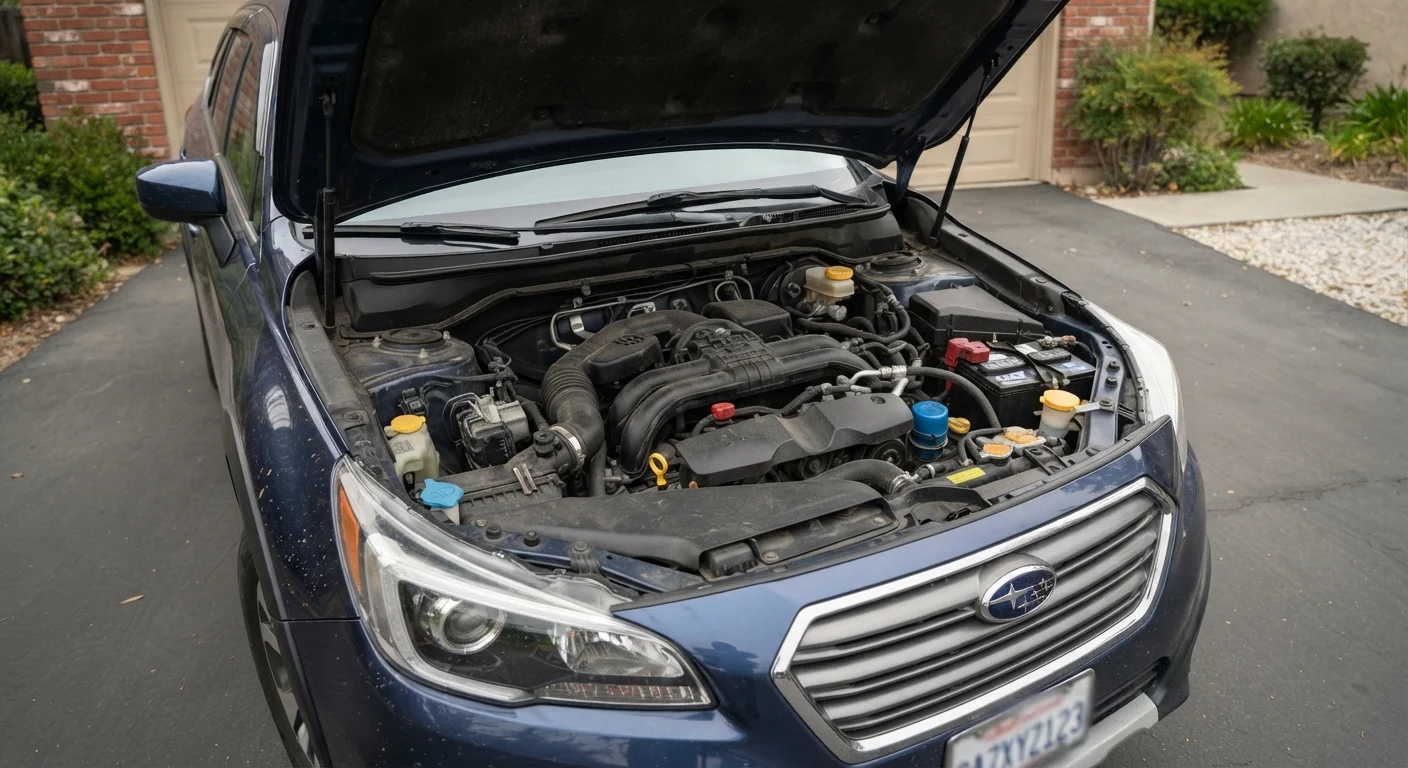
Seasonal Car Care: What to Check Before Winter and Summer Driving

Photo credit: lifestyle-insights.com

A practical checklist of fluid levels, tire condition, battery health, and safety items to verify before each major driving season begins.

Key Takeaways

  • Checking fluids, tires, and battery twice a year catches problems before they become expensive repairs.
  • Tire pressure drops roughly 1 PSI for every 10-degree Fahrenheit drop in temperature.
  • A battery older than four years deserves a load test before cold weather sets in.
  • Seasonal checks pair well with a maintenance log to build a documented service history.
  • Some items on this list are safe DIY tasks; others warrant a qualified mechanic.

Why seasonal checks save money

Most mechanical failures that strand drivers are not sudden. They develop gradually, and a seasonal inspection is a reliable way to catch them while repair costs are still modest. A dead battery in January or a blown coolant hose in August can each turn a short trip into a tow truck call. Neither outcome is inevitable with a little advance attention.

This checklist covers two windows: the weeks before cold weather arrives and the weeks before summer heat peaks. Some items overlap between seasons; others are specific to temperature extremes. Work through the relevant group for your region and note what you find. A written record is worth keeping. See our guide to building a maintenance log for a straightforward system that also helps at trade-in time.

If any task below involves systems you are not comfortable working on, our guide on DIY versus professional work outlines where the line falls for most family vehicles.

Safety limits on DIY checks

Visual inspections and fluid top-offs are generally safe for most drivers to handle at home. However, brake system work, serpentine belt replacement, cooling system repairs, and anything involving refrigerant require either professional equipment or a qualified mechanic. Do not attempt repairs beyond your skill level, and consult your owner's manual before adding any fluid to confirm you are using the correct specification.

What to check before winter driving

Cold temperatures stress several systems simultaneously. Work through these items in the weeks before freezing temperatures become routine in your area.

Winter: battery and electrical

Have the battery load-tested if it is more than four years old. Cold weather reduces battery capacity, and a marginal battery that starts fine in October may not start in January. Must
Inspect battery terminals for corrosion (white or bluish buildup) and clean them with a wire brush if needed. Should
Test all exterior lights, including brake lights and turn signals, since short winter days mean more driving in darkness. Must

Winter: fluids

Check antifreeze concentration with an inexpensive tester to confirm it is rated for the coldest temperatures in your region. Must
Top off windshield washer fluid with a winter-rated formula that will not freeze in the reservoir or on the glass. Must
Verify engine oil is at the correct level and review whether the current viscosity grade is appropriate for cold-weather starting, per your owner's manual. Should
Check brake fluid level in the reservoir. Low brake fluid can indicate worn pads or a slow leak that needs professional diagnosis. Must

Winter: tires and wipers

Measure tire tread depth with a tread gauge or the penny test. Tread below 4/32 inch loses meaningful grip on wet or snowy roads. Must
Check tire pressure after the first sustained cold snap, since pressure drops approximately 1 PSI per 10-degree Fahrenheit temperature decrease. Must
Replace wiper blades that streak or skip. Consider winter-rated blades if your area gets significant ice and snow. Should
If your region gets regular snow and ice, evaluate whether all-season tires provide adequate grip or whether dedicated winter tires make sense for your situation. Nice to have

Winter: emergency kit

Confirm your trunk has an ice scraper, a small snow brush, and jumper cables or a portable jump starter. Should
Add a warm blanket, a flashlight with fresh batteries, and a bag of sand or kitty litter for traction if you regularly drive in remote or rural areas. Nice to have

Summer: cooling system

Visually inspect coolant hoses for cracks, soft spots, or swelling, and check hose clamps for tightness. A failed hose in summer heat can cause rapid engine overheating. Must
Verify coolant level in the overflow reservoir when the engine is cold. Never open a hot radiator cap. Must
Check that the radiator and condenser fins are free of debris such as insects or leaves, which restrict airflow and reduce cooling efficiency. Should

Summer: fluids and belts

Check engine oil level and color. Oil that looks very dark or gritty may be past its useful life, regardless of mileage since the last change. Must
Inspect the serpentine belt for visible cracking, fraying, or glazing. A failed serpentine belt disables the alternator, power steering, and water pump simultaneously. Must
Top off brake fluid, power steering fluid, and transmission fluid if any are below the minimum mark on the dipstick or reservoir. Should

Summer: tires and air conditioning

Check tire pressure in the early morning before the vehicle has been driven, since heat causes air to expand and readings taken on hot pavement will be misleading. Must
Test the air conditioning by running it at maximum cool for five minutes. Weak airflow or warm output can indicate low refrigerant or a failing component. Should
Inspect tires for sidewall bubbles, cuts, or uneven wear patterns. Road surfaces are hotter in summer, which accelerates wear on tires already near their wear limit. Should
Replace the cabin air filter if it has not been changed in the past 12 to 15 months, since a clogged filter reduces AC performance noticeably. Nice to have

What to check before summer driving

Heat accelerates fluid breakdown and puts sustained load on the cooling system. Run through this group before temperatures climb into the 90s. If your family takes a long road trip each summer, pair this checklist with the family travel prep checklist for full coverage.

For a plain-language explanation of what tire rotation, balancing, and alignment each accomplish, see this breakdown of tire services. Dashboard warning lights that appear during either seasonal check should not be ignored. This guide to warning lights explains what each symbol means and which ones need immediate attention.

Automotive Editorial Team

Author

Automotive Editorial Team

Automotive Editorial Team is the collective byline for our editorial team and contributor network. Articles published under this byline or an editorial pen name are researched, written, and reviewed according to our editorial standards for clarity, consistency, and independence before publication.

View all articles →
The content provided on our blog site traverses numerous categories, offering readers valuable and practical information. Readers can use the editorial team’s research and data to gain more insights into their topics of interest. However, they are requested not to treat the articles as conclusive. The website team cannot be held responsible for differences in data or inaccuracies found across other platforms. Please also note that the site might also miss out on various schemes and offers available that the readers may find more beneficial than the ones we cover.