
What Your Car's Warning Lights Are Actually Telling You
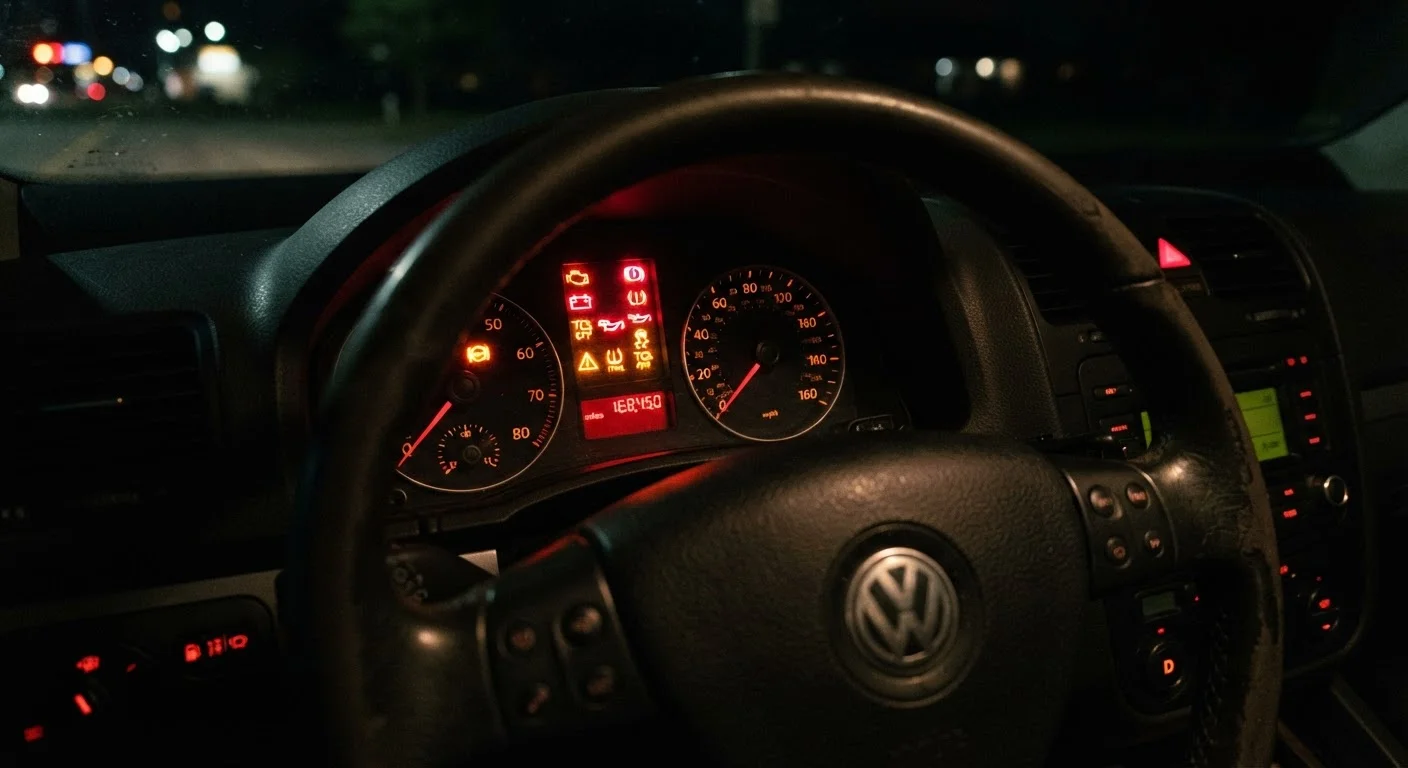
Photo credit: lifestyle-insights.com
In this article
Decode the most common dashboard warning lights, what they mean, and which ones need immediate attention versus a scheduled visit.
How the warning light system works
Your car's dashboard warning lights are outputs from the onboard diagnostics system, which monitors sensors throughout the vehicle. When a sensor reading falls outside its acceptable range, the system triggers a light. Some lights point to a specific component failure; others flag a stored fault code that a scan tool can read in more detail.
Color tells you urgency. Red lights generally mean stop or act immediately. Yellow or amber lights mean something needs attention soon but does not require pulling over right now. Green and blue lights are informational, confirming that a system is active. This color logic is consistent across most vehicles sold in the United States, though the exact symbols vary by make and model.
OBD-II
On-Board Diagnostics, second generation. A standardized system required on all passenger vehicles sold in the U.S. since 1996 that stores fault codes when a sensor detects a problem. A scan tool plugged into the OBD-II port retrieves these codes.
Fault code (DTC)
A Diagnostic Trouble Code is a standardized alphanumeric code the OBD-II system stores when a monitored component or system falls outside expected parameters. Codes help narrow down the source of a problem.
TPMS
Tire Pressure Monitoring System. A sensor-based system required on U.S. vehicles since 2008 that alerts the driver when tire pressure drops significantly below the recommended level.
Catalytic converter
An emissions control device in the exhaust system that converts harmful combustion byproducts into less harmful gases. It can be damaged by prolonged engine misfires, which is why a flashing check engine light warrants immediate attention.
Alternator
A generator driven by the engine that produces electrical current to charge the battery and power the vehicle's electrical systems while the engine runs.
For a broader look at systems worth monitoring before cold or hot weather arrives, see seasonal car care checks.
Common lights and what they mean
| Red light urgency | Stop or act immediately |
| Amber/yellow light urgency | Schedule service within days |
| Flashing check engine light | Active misfire: avoid driving, seek repair |
| TPMS trigger threshold | Approx. 25% below recommended PSI (U.S. TPMS federal standard (FMVSS 138)) |
| OBD-II required since | 1996 (all U.S. passenger vehicles) (EPA mandate) |
| Free code reading | Available at many auto parts retailers |
Check engine (amber): This is the most misunderstood light on the dashboard. It can mean anything from a loose gas cap to a misfiring cylinder. A solid amber check engine light rarely means stop immediately, but it should be scanned within a few days. A flashing check engine light is different: it usually means an active misfire is occurring and can damage the catalytic converter quickly. Pull over safely and have it towed or driven directly to a mechanic when it flashes.
Oil pressure (red): If this light comes on while driving, stop as soon as it is safe to do so. Running an engine with low oil pressure can cause severe internal damage within minutes. Check the oil level before restarting. Low oil level, a failing oil pump, or a blocked oil passage are common causes.
Battery (red): This light means the charging system is not keeping the battery charged. The alternator, drive belt, or battery itself is likely the issue. The car may continue running for a short time on battery power alone, but electrical systems will fail progressively. Get to a shop without making unnecessary stops.
Temperature (red): Engine overheating is serious. Turn off the air conditioning immediately to reduce engine load, and if the temperature gauge does not drop, pull over. Continuing to drive an overheating engine can warp the cylinder head, an expensive repair.
Tire pressure (TPMS, amber): The tire pressure monitoring system triggers when one or more tires drops roughly 25 percent below the recommended pressure. Check all four tires with a gauge before assuming the sensor is faulty. Correct inflation saves fuel and extends tire life. For related service information, see tire rotation and alignment basics.
Brake warning (red): If the parking brake is released and this light stays on, it may indicate low brake fluid or a problem with the braking system. Do not ignore it. Have the brake system inspected promptly.
ABS (amber): The anti-lock braking system helps prevent wheel lockup during hard stops. An ABS light means the system has detected a fault and may have disabled itself. Normal braking still works, but you lose the anti-lock function. Schedule a diagnostic soon.
When to stop immediately versus schedule a visit
A simple rule: red lights demand action now. Amber lights allow you to drive to a shop, but do not put it off for weeks. The longer a fault runs unaddressed, the more likely secondary damage will follow.
If you are unsure what a light means, most auto parts retailers will read your car's fault codes at no charge using an OBD-II scanner. This does not replace a mechanic's diagnosis, but it gives you a starting point and helps you avoid being caught off guard. You can also purchase a basic OBD-II scan tool for home use, which lets you check codes before any shop visit.
Some drivers clear a warning light by disconnecting the battery. This erases the stored code but does not fix the underlying problem. The light will return, and clearing codes before an emissions inspection can cause the test to be inconclusive, requiring a re-test after enough drive cycles have accumulated.
For tasks you might handle yourself versus jobs that need a mechanic, see DIY car maintenance guidance.

Author
Automotive Editorial Team
Automotive Editorial Team is the collective byline for our editorial team and contributor network. Articles published under this byline or an editorial pen name are researched, written, and reviewed according to our editorial standards for clarity, consistency, and independence before publication.
View all articles →