
Shopping Myths That Cost Families Real Money
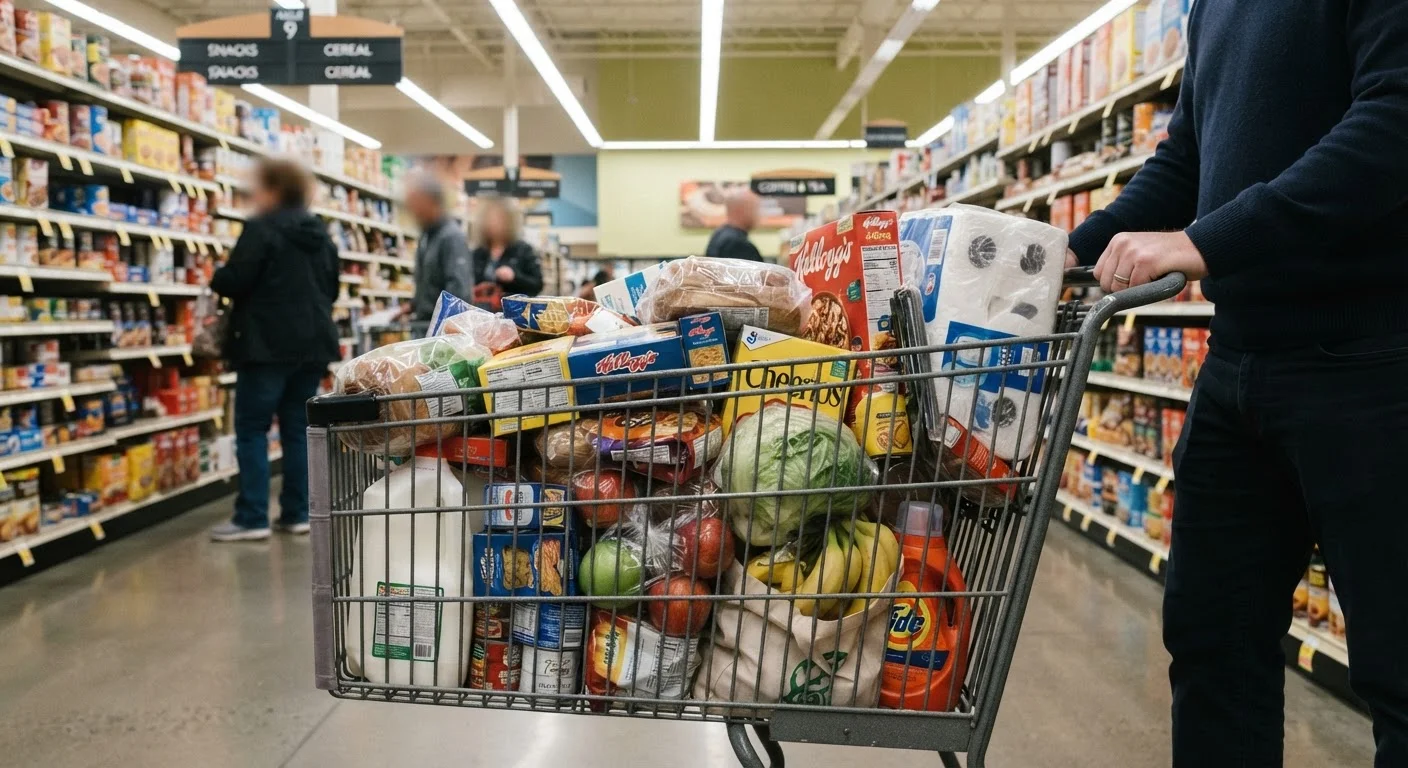
Photo credit: lifestyle-insights.com
In this article
From "bigger packages always cost less" to "sales are always a deal," common shopping beliefs can quietly drain your budget. Here is what the evidence actually shows.
Key Takeaways
- Bigger packages do not always have a lower cost per unit; check the shelf tag math.
- A sale price is only a deal if you were already going to buy the item at full price.
- Store-brand products meet the same federal safety standards as name-brand equivalents in many categories.
- Loyalty programs often collect more data than they return in genuine savings.
- Buying in bulk makes financial sense only when your household will use the item before it expires or degrades.
Why shopping myths stick around
Most shopping myths survive because they contain a grain of truth. Bulk buying can save money. Sales sometimes offer real value. The problem is treating these partial truths as universal rules. When families apply them without checking the math, the costs add up across hundreds of small decisions each year.
The myths below are common enough that consumer researchers and federal agencies such as the Consumer Financial Protection Bureau have documented their effects on household budgets. Each one has a specific, measurable way it costs money.
For a broader view of how shopping habits affect the grocery budget in particular, see spending habits that quietly undermine a tight grocery budget.
The myths, corrected
These misconceptions appear across grocery stores, big-box retailers, and online shopping platforms. None of them are always wrong, but all of them are wrong often enough to warrant a second look before you commit to a purchase.
Myth
Bigger packages always cost less per unit than smaller ones.
Fact
Unit price comparisons frequently show smaller or mid-size packages cost less per ounce or per count, depending on the product and retailer.
Retailers set prices by what the market will bear at each size, not by a consistent per-unit formula. Promotional pricing, package redesigns, and category strategy all create exceptions to the "bigger is cheaper" assumption. The only reliable method is reading the unit price on the shelf tag and comparing it directly across sizes. Skipping that step and defaulting to the largest package available can cost more, not less.
Myth
A sale is always a deal worth acting on.
Fact
A discounted price is only financially beneficial if the item was already on your planned purchase list at or near full price.
Retailers use promotional pricing to move inventory and increase basket size. A 30% discount on an item you were not planning to buy results in 70% of a purchase you did not need. The net effect on your budget is negative. Sales are a genuine saving only when they reduce the price of something you would have bought anyway, at or near the same time.
Myth
Store brands are lower quality than name brands.
Fact
In many product categories, store-brand and name-brand items are manufactured at the same facilities or meet identical federal standards.
The Food and Drug Administration requires over-the-counter medications to contain the same active ingredients at the same concentrations regardless of label. For food products, store brands often share production lines with name brands, though this varies by retailer and category. The price difference between store and name brand on comparable products can reach 20 to 30 percent without a corresponding difference in ingredients, nutrition, or safety.
Myth
Loyalty cards and rewards programs always pay off.
Fact
Most loyalty programs return value only to frequent, high-volume shoppers; for average households, the data exchange often outweighs the financial benefit.
Loyalty programs are designed to encourage repeat visits and larger transaction sizes. The discounts they offer are usually available only on items the retailer wants to move, not necessarily the items you planned to buy. Many programs also collect detailed purchase data as part of the exchange. Households that spend below a certain threshold in a given category rarely accumulate enough points or rewards to offset the behavioral nudges built into the program structure.
Myth
Online prices are always lower than in-store prices.
Fact
Online pricing includes shipping, handling, and return logistics costs that can make the effective price higher than the listed price or the in-store alternative.
A product listed at a lower price online may carry shipping fees, minimum order thresholds for free delivery, or restocking fees for returns. Those costs can close or reverse any gap with in-store pricing. For items that occasionally need to be returned, the friction and cost of online returns is a real expense that in-store purchases avoid. Comparing total cost, not just sticker price, gives an accurate picture.
Travel shopping follows its own version of these patterns. Families who apply the same faulty logic to airfare and hotels tend to pay more than those who check assumptions first. The article on flying with kids and the assumptions that cost families the most covers the travel-specific version of this problem.
How to apply the corrections at the store
Checking the unit price on every shelf tag takes about two seconds per item. Most US retailers are required to display unit pricing, so the number is already there. The per-ounce or per-count figure is the only number that lets you compare across different package sizes accurately.
For sales, a useful habit is asking whether you would buy the item at full price this week. If the answer is no, the discount does not produce savings; it produces a purchase you would not otherwise have made. The reasons families overspend on groceries often trace back to exactly this pattern.
Bulk purchases deserve the same scrutiny. The full analysis of when warehouse quantities make sense is in why bulk buying saves some families money and costs others more. The short version: storage space, perishability, and actual usage rate all affect whether the math works in your favor.
This article is for general informational purposes only and does not constitute financial or legal advice. Verify any pricing claims or regulatory requirements with the relevant retailer or government agency.

Author
Shopping Editorial Team
Shopping Editorial Team is the collective byline for our editorial team and contributor network. Articles published under this byline or an editorial pen name are researched, written, and reviewed according to our editorial standards for clarity, consistency, and independence before publication.
View all articles →