
The Real Costs Behind a Kitchen Refresh: What Moves the Needle Most
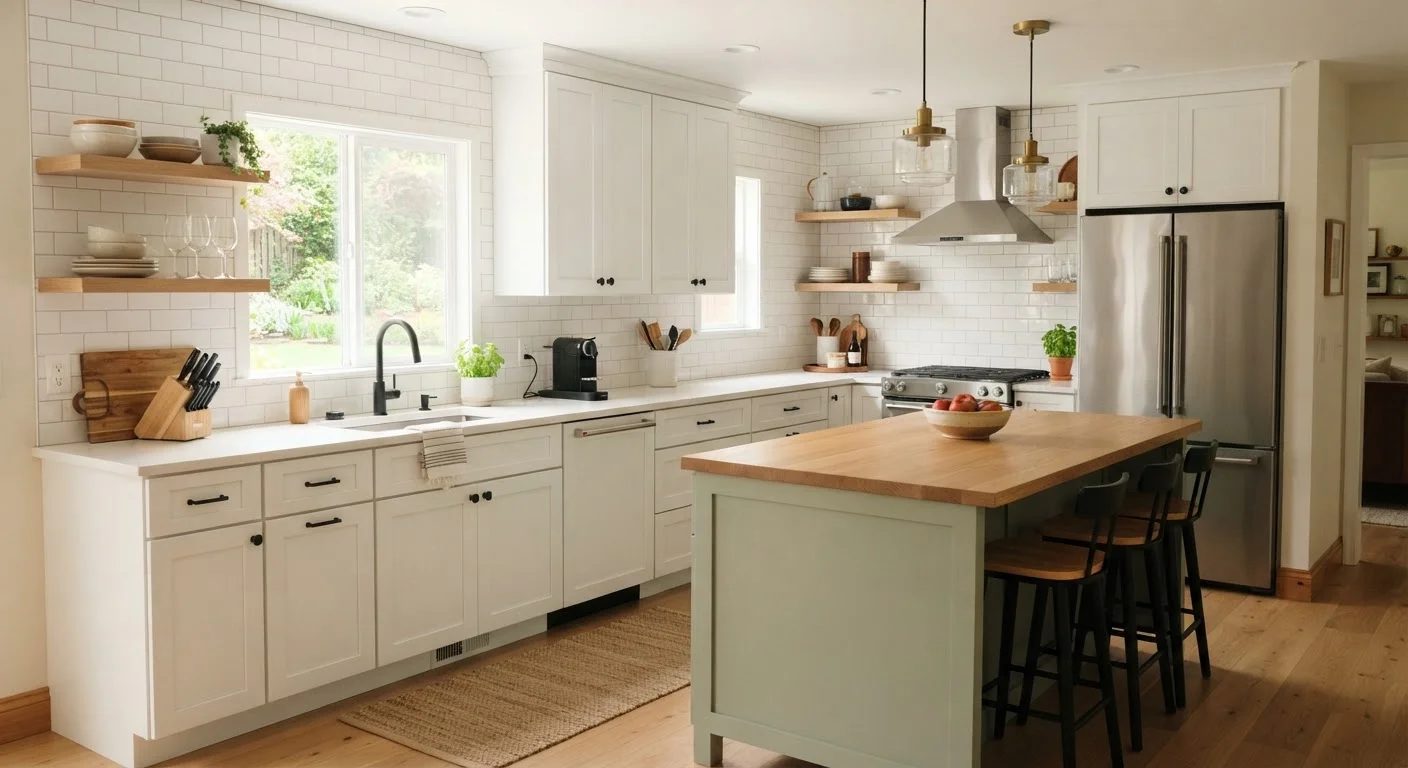
Photo credit: lifestyle-insights.com
In this article
A kitchen update does not have to mean a full renovation. Understand which changes deliver the most visible impact relative to what they actually cost.
What actually drives kitchen refresh costs
A kitchen refresh sits somewhere between a deep clean and a full renovation. The cost spread is wide: a few hundred dollars for paint and hardware at one end, and tens of thousands for new cabinets and appliances at the other. What separates those outcomes is not ambition but scope, specifically which surfaces get touched and whether the layout changes.
Layout changes cost the most. Moving a sink, relocating a gas line, or shifting an island requires licensed plumbing, gas, or electrical work and likely a permit. In most jurisdictions, unpermitted work on gas or electrical systems is both illegal and unsafe. Costs for those trades vary by region, but labor alone on a plumbing relocation routinely runs into the thousands before any materials are counted.
Keeping the layout exactly where it is and working with what exists cuts the budget significantly. That principle is the foundation of every affordable kitchen refresh: do not move water, gas, or load-bearing walls.
Changes with the highest visual return per dollar
Cabinet fronts dominate the visual field in most kitchens. Painting existing cabinet boxes (not just doors) with a durable, washable paint can transform the room for a fraction of replacement cost. Proper prep, including cleaning, sanding, and priming, determines whether the finish holds. Skipping prep is the most common reason painted cabinets look poor within a year. See common DIY repair misconceptions before starting any cabinet paint project.
Hardware replacement is the lowest-cost, highest-visibility swap available. Pulls and knobs on 20 cabinets and drawers can be replaced in an afternoon for roughly $1 to $5 per piece at standard hardware outlets. The old holes often align with new hardware, which avoids filling and redrilling.
Faucet replacement sits in the middle of the cost range. A new faucet changes the look of the sink area noticeably and is within most homeowners' DIY ability, though anyone uncertain about shutoff valves or supply lines should call a plumber rather than risk a water leak inside the cabinet.
Backsplash work covers a small square footage but gets heavy visual attention. Peel-and-stick tile panels have improved and work on flat, clean surfaces. Traditional ceramic tile costs more in both material and labor but holds up better to heat and moisture over time.
Where costs escalate faster than expected
Appliances are where budget surprises happen most often. A refrigerator, range, and dishwasher purchased as a matching set can easily exceed $3,000 to $5,000 for mid-tier models. Many families find that replacing only the single most visible or most failed appliance, usually the refrigerator, does most of the visual work at a fraction of the full-suite cost.
Countertop replacement is priced by the square foot and by material. Laminate sits at the low end; quartz and granite run significantly higher. Installation requires precise cutting and, for stone, professional fabrication. Costs also include removal of the old surface, which can reveal water damage underneath that adds unplanned repair expenses.
Lighting is frequently overlooked but changes how every other surface reads. Swapping a single overhead fixture for recessed lighting or a pendant is affordable if an existing junction box is in place. Running new wiring to a different location requires a licensed electrician and, in many areas, a permit. Reducing recurring household costs through energy-efficient LED fixtures is one area where the lighting upgrade pays back over time.
Flooring replacement in a kitchen involves moving appliances, removing baseboards, and sometimes dealing with layers of old material. It is rarely a simple weekend project and should be budgeted with professional installation in mind unless you have confirmed DIY experience with the specific material type.
Planning a realistic refresh budget
A useful starting framework: list every change you want, then separate the list into work that stays within the existing footprint and work that moves utilities or structural elements. Price only the first category yourself; get written quotes from licensed contractors for anything in the second.
Materials cost estimates from home improvement retailers are a reasonable starting point for DIY planning, but they do not include your time, tool rental, or the cost of correcting mistakes. First-time tile setters, for example, typically need more material than the square footage calculation suggests because cuts and errors consume extra pieces.
Common shopping myths can inflate material costs when families overbuy "just in case" or assume a sale price reflects genuine savings. Buy what the project needs, verify return policies before purchasing, and price the same material at multiple outlets.
The most budget-conscious kitchen refreshes focus on paint, hardware, and one targeted swap (faucet or a single appliance) and leave countertops and layout alone. That approach rarely exceeds $500 to $1,000 in materials for an average kitchen and produces a visible change that holds up well if the prep work is done correctly.

Author
Home & Garden Editorial Team
Home & Garden Editorial Team is the collective byline for our editorial team and contributor network. Articles published under this byline or an editorial pen name are researched, written, and reviewed according to our editorial standards for clarity, consistency, and independence before publication.
View all articles →