
Raised Garden Beds: What Families Should Know Before Building One
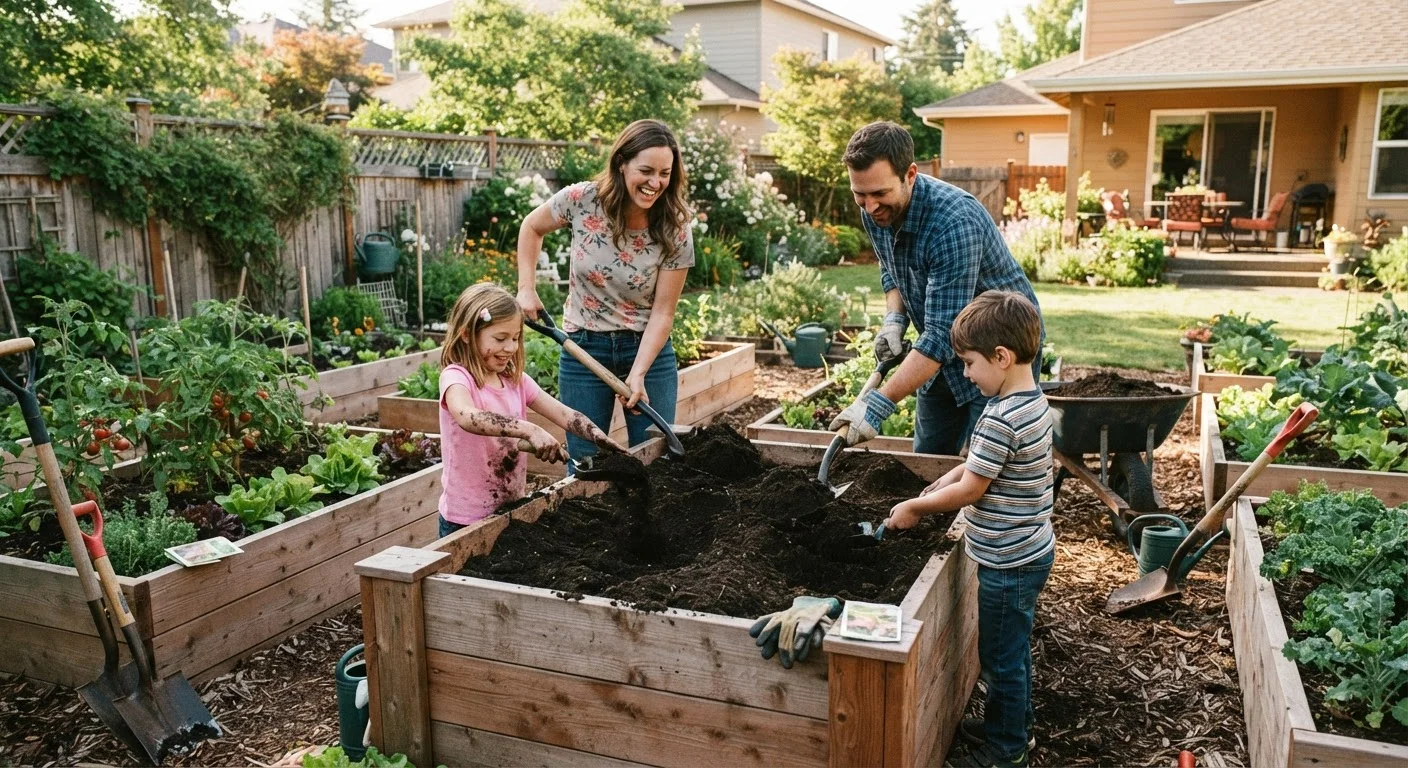
Photo credit: lifestyle-insights.com
In this article
Raised beds can make gardening easier and more productive. Learn how they work, what materials to use, and whether they suit your yard and budget.
Key Takeaways
- Raised beds give you control over soil quality, drainage, and weed pressure regardless of your native ground.
- Cedar and pine are two common wood choices; treated lumber sold for residential use today is generally considered safe for vegetables.
- A 4-foot-wide bed lets adults reach the center from either side without stepping on the soil.
- Up-front material costs are real, but productive soil and good placement can reduce them over time.
- Choosing what to plant matters: pairing beds with cost-conscious plant choices stretches the investment further.
What a raised bed actually is
A raised garden bed is a frame, usually rectangular, filled with a soil mix and placed above the existing ground. It can sit directly on native soil, on gravel, on concrete, or on a deck. The frame itself does not need to be attached to anything; it simply holds the growing medium in place.
Families find raised beds useful for several concrete reasons. Native soil in most yards is compacted, poorly drained, or low in organic matter. A raised bed bypasses those problems entirely because you control what goes inside the frame. You also get a defined space that is easier to weed and water, and the elevated surface reduces bending for adults and makes the garden approachable for younger kids.
Raised bed
A framed structure filled with a custom soil mix and placed above the native ground. It lets gardeners control soil quality independently of what is in the yard.
Soil amendment
Any material mixed into soil to improve its texture, drainage, or nutrient content. Common examples are compost, perlite, and aged bark fines.
Succession planting
Planting a new crop in the same space right after the previous one finishes. This extends the growing season and gets more harvests from the same bed.
Pressure-treated lumber
Wood that has been chemically treated under pressure to resist rot and insects. Modern residential grades use copper-based preservatives rather than older arsenic-based formulas.
Cooperative extension office
A local government-affiliated resource, typically connected to a state university, that provides research-based gardening and agriculture guidance for residents.
Raised beds are not a requirement for home gardening, but they suit yards where the ground itself is a barrier, space is limited, or you want a tidy, contained growing area.
Choosing materials: what holds up and what to avoid
Wood is the most common frame material for home gardeners. Cedar is naturally rot-resistant and can last 10 to 20 years without treatment. Pine costs less upfront but typically lasts 3 to 7 years before breaking down. Untreated pine is a reasonable starting point for families testing whether raised-bed gardening works for their household before committing more money.
Pressure-treated lumber is another option. Current residential-grade treated lumber uses copper-based preservatives rather than the arsenic-based compounds phased out in the early 2000s. Whether to use it in a vegetable garden is a personal choice; if you have questions specific to your situation, a local cooperative extension office can provide guidance based on your region and current standards.
Galvanized corrugated metal beds have grown in popularity. They are durable and drain well, though they can heat up in hot climates, which may stress plant roots during summer. Concrete blocks and bricks work well structurally but require more labor to assemble. Avoid any material that may leach chemicals into soil, including railroad ties and old pallets with unknown treatment histories.
Sizing, placement, and soil
The standard guidance on width is 4 feet. That lets a person reach the center from either long side without stepping into the bed. Compacting the soil defeats much of the benefit of a raised frame, so keeping foot traffic out matters. Length is flexible; 4 by 8 feet is a common starting size that is manageable for a first-time builder and provides enough space for a meaningful mix of crops.
Place the bed where it will receive the most sun your yard allows. Most vegetables need 6 to 8 hours of direct sun. Check the spot at different times of day before building, since shadows from fences, trees, and buildings shift throughout the season.
Soil mix matters more than the frame itself. A blend of quality topsoil, compost, and a coarse amendment like perlite or aged bark fines gives roots air, drainage, and nutrients. Pure native yard soil typically compacts inside a frame and does not perform well. Making your own compost is one way to reduce the ongoing cost of replenishing organic matter each season.
Cost and whether a raised bed saves money
A basic 4-by-8-foot cedar bed with quality soil fill can cost anywhere from around $100 to $300 or more depending on material prices and how much soil you need. That is a real upfront cost, and it is worth being clear-eyed about it. The bed does not pay for itself immediately.
Over multiple seasons, costs stabilize. The frame lasts years, you add compost annually rather than replacing all the soil, and a productive bed can reduce what you spend on certain produce. High-yield, high-cost-per-pound crops, like fresh herbs, cherry tomatoes, and salad greens, give the most obvious return. For context on how garden produce might interact with overall household food spending, see our guide to building a practical grocery budget.
Start with one bed before scaling up
Building a single 4-by-8-foot bed first lets you learn what works in your specific yard, including sun patterns, watering needs, and which crops your family actually eats, before spending more on additional frames. Many families find one well-maintained bed more productive and less wasteful than several neglected ones.
What you plant shapes the financial outcome as much as the bed itself. Our related article on annuals versus perennials for cost-conscious gardeners covers how plant type affects season-to-season spending.
Getting the most from your bed each season
Succession planting, growing a second or third crop in the same space after the first finishes, extends the productive period of a raised bed significantly. In many U.S. climates, a bed that grows lettuce in spring can shift to tomatoes or beans in summer, then return to greens or root vegetables in fall.
Replenish organic matter each season. A 1- to 2-inch layer of compost worked into the top of the bed each spring maintains soil structure and nutrition without a complete refill. Mulching the surface between plants reduces water loss and suppresses weeds, which cuts both the time and money spent on maintenance.
Watch for drainage issues. If water pools in the bed after rain, the soil mix may be too dense or the bottom may be blocked. Adjusting the mix or clearing any lining material usually fixes the problem. Beds on solid surfaces may need drainage holes drilled into the frame sides near the base.
Frequently Asked Questions

Author
Home & Garden Editorial Team
Home & Garden Editorial Team is the collective byline for our editorial team and contributor network. Articles published under this byline or an editorial pen name are researched, written, and reviewed according to our editorial standards for clarity, consistency, and independence before publication.
View all articles →