
Pressure-Treated Lumber vs. Cedar: Choosing the Right Wood for Outdoor Projects
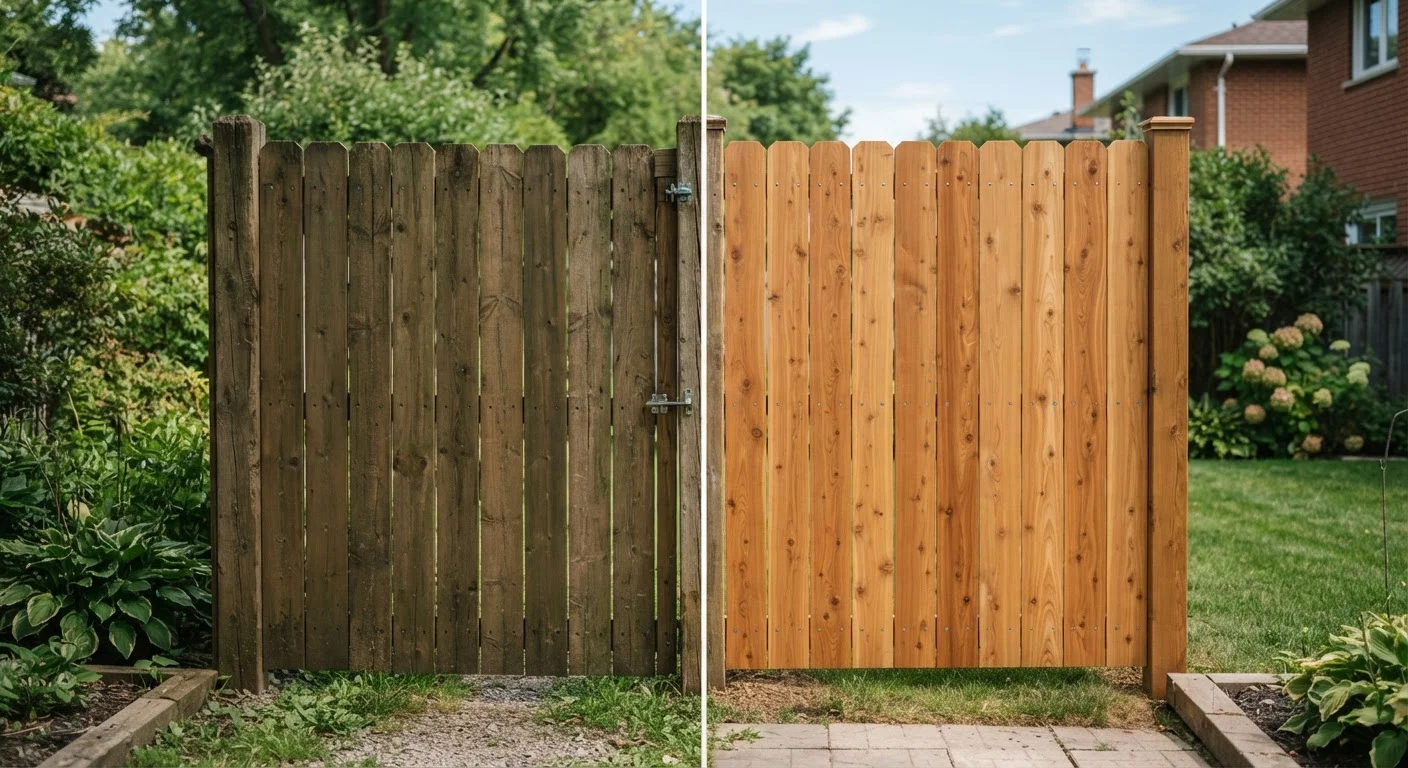
Photo credit: lifestyle-insights.com
In this article
Deck, fence, or raised bed wood choice affects durability and cost. Compare pressure-treated lumber and cedar across lifespan, safety, and upfront price.
Key Takeaways
- Pressure-treated lumber costs noticeably less upfront and lasts longer in ground-contact situations.
- Cedar contains natural oils that resist rot and insects without chemical preservatives.
- Modern pressure-treated wood uses copper-based preservatives considered safe for most residential uses, including raised food gardens.
- Cedar weathers to gray without sealing but accepts stain well; pressure-treated wood requires drying before finishing.
- For deck framing and fence posts, pressure-treated lumber is generally the practical choice for cost-conscious families.
- For decking boards and surfaces near edible plants, cedar is a reasonable alternative worth the added cost.
What separates these two woods
Pressure-treated lumber is ordinary softwood, most often Southern yellow pine, that has been infused with chemical preservatives under pressure. Those preservatives push deep into the wood fibers and protect against rot, fungal growth, and insect damage. The treatment grade stamped on each board tells you how much preservative is present and whether the board is rated for above-ground use, ground contact, or below-ground applications like deck posts set in concrete.
Cedar is a naturally rot-resistant species. Its heartwood contains oils and tannins that deter moisture absorption and discourage insects. Western red cedar is the most common variety sold for outdoor projects in the U.S., though northern white cedar appears in some regions. No chemical treatment is added; the wood's own properties do the work.
The practical difference comes down to where and how each board is used. Pressure-treated lumber is the default for anything touching or near soil. Cedar is more common for surfaces people see and touch.
| Criterion | Pressure-Treated Lumber | Cedar |
|---|---|---|
| Typical upfront cost | Lower (30-50% less per board foot) | Higher |
| Ground-contact durability | Excellent (40+ years rated) | Poor (not recommended) |
| Above-ground lifespan | 20-30 years with sealing | 15-25 years with sealing |
| Chemical preservatives | Yes (copper-based) | None |
| Ready to finish after purchase | Needs drying time (weeks) | Can finish promptly |
| Natural appearance | Greenish tint; rougher texture | Warm honey tone; smoother |
| Weight | Heavier (especially when wet) | Lighter |
| Regional availability | Widely available nationwide | Varies by region |
Cost and availability
Pressure-treated lumber runs roughly 30 to 50 percent less per board foot than cedar in most U.S. markets, though prices shift with lumber commodity cycles. At a typical home center, a 2x6x8 pressure-treated board costs noticeably less than its cedar equivalent. For a 200-square-foot deck, that difference adds up to several hundred dollars in materials alone.
Pressure-treated lumber is also stocked in more dimensional sizes and lengths at most retailers, making it easier to source for large projects without special orders. Cedar availability varies by region: it is common in the Pacific Northwest and sold widely nationwide, but rural areas may see limited selection or higher freight-added pricing.
Families working with a fixed project budget often find that using pressure-treated wood for the structural framing and cedar only for the visible deck boards or fence pickets gives a reasonable cost-to-appearance balance.
40+
Years ground-contact PT posts can last
The U.S. Forest Products Laboratory notes properly installed ground-contact treated posts can exceed 40 years in service under typical residential conditions.
2003
Year EPA phased out CCA for residential use
The U.S. Environmental Protection Agency ended most residential uses of chromated copper arsenate (CCA) treated wood as of December 31, 2003.
30-50%
Typical cost premium of cedar over PT lumber
General contractor and home center pricing comparisons suggest cedar commonly costs 30 to 50 percent more per board foot than comparable pressure-treated pine.
Durability and lifespan
A pressure-treated post rated for ground contact, properly installed and not left sitting in standing water, can last 40 years or more. Above-ground pressure-treated boards typically last 20 to 30 years with periodic sealing. These figures depend heavily on climate, drainage, and maintenance.
Cedar above ground, when kept sealed or stained every two to three years, holds up for 15 to 25 years. Without any finish, it grays and can develop surface checks, but the wood's natural oils still slow decay. Cedar in direct soil contact degrades significantly faster than pressure-treated lumber and is not generally recommended for fence posts or structural footings.
Both woods move seasonally with humidity changes. Pressure-treated lumber, especially when freshly purchased and still wet from treatment, warps and splits more during the drying process. Allowing it to dry for several weeks before applying paint or stain reduces that problem.
Safety considerations for families
Older pressure-treated lumber used chromated copper arsenate (CCA), which contained arsenic. The U.S. Environmental Protection Agency phased out CCA for most residential uses in 2003. Current products use copper-based alternatives such as alkaline copper quaternary (ACQ) and copper azole (CA). The EPA has concluded these are safe for general residential applications, including raised garden beds for food crops, when basic precautions are followed.
Those precautions are straightforward: wash hands after handling, do not burn pressure-treated scrap wood, and avoid using sawdust or shavings as garden mulch. Wearing a dust mask and eye protection when cutting is good practice for any lumber, but it matters more with treated wood because of the copper compounds in the dust.
Cedar carries no chemical preservative concerns. Families with young children who will touch or play on a structure sometimes choose cedar for that peace of mind, accepting the higher material cost as part of the decision.
Maintenance requirements
Pressure-treated lumber should be allowed to dry fully before sealing. Attempting to stain or paint green (freshly treated) boards often leads to peeling within a season. Once dry, a water-repellent sealer applied every two to three years extends its life and keeps boards from checking badly. Leaving it completely unfinished is possible but accelerates surface weathering.
Cedar accepts stain readily and holds it well because of its relatively tight grain. A semi-transparent stain applied every two to three years maintains both color and protection. Cedar left unfinished slowly turns a silvery gray, which some homeowners find acceptable. The gray color does not mean the wood is failing; surface decay is a separate and slower process driven by moisture exposure.
For either wood, good design choices matter as much as finishing. Proper slope for water drainage, gaps between deck boards, and posts set on hardware above concrete (rather than buried directly) all reduce moisture retention and extend the life of the structure.

Author
Home & Garden Editorial Team
Home & Garden Editorial Team is the collective byline for our editorial team and contributor network. Articles published under this byline or an editorial pen name are researched, written, and reviewed according to our editorial standards for clarity, consistency, and independence before publication.
View all articles →