
Hiring a Contractor: Questions Every Homeowner Should Ask Before Signing
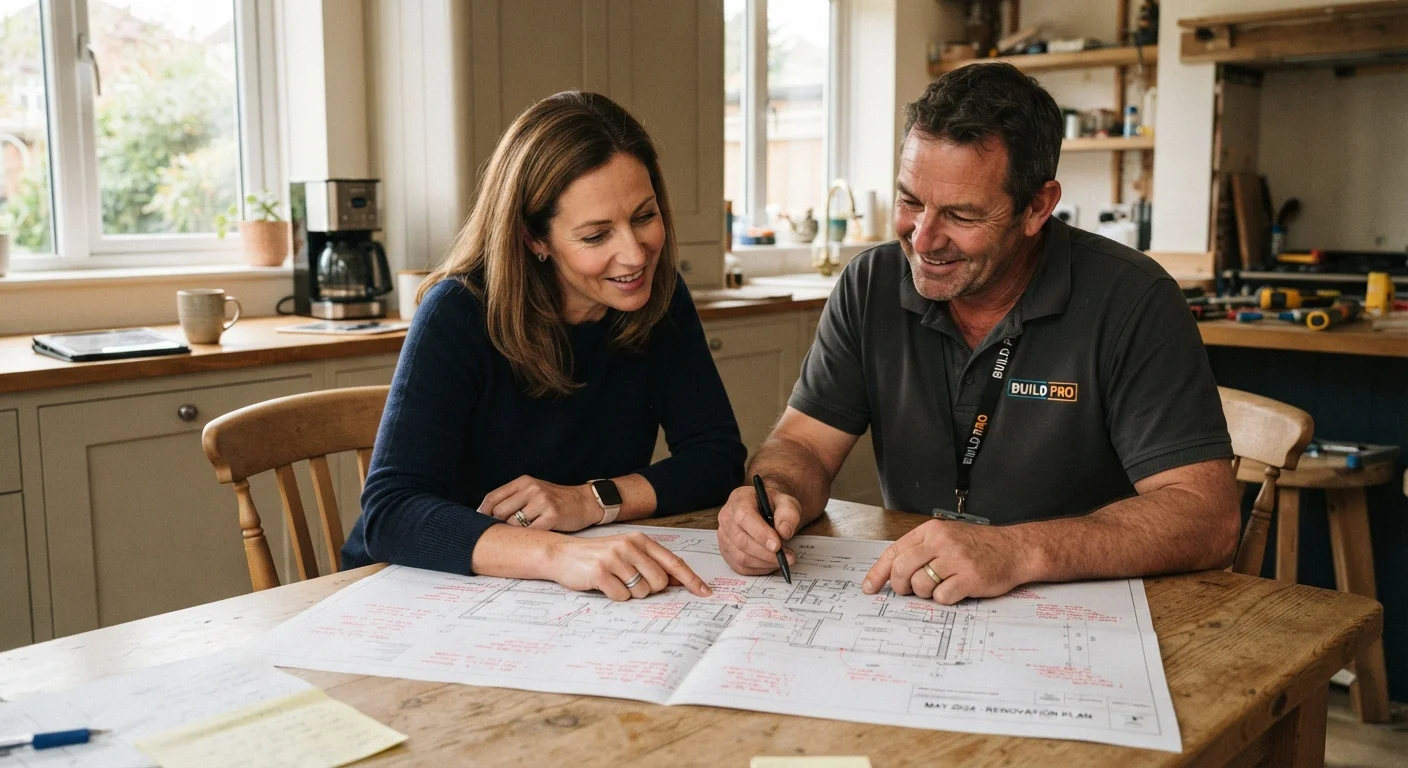
Photo credit: lifestyle-insights.com
Choosing the right contractor protects your project, timeline, and budget. Use this checklist to evaluate bids, verify credentials, and set clear expectations.
Key Takeaways
- Always verify a contractor's license, insurance, and references before signing any contract.
- Get at least three written bids and compare scope, materials, and payment terms line by line.
- A detailed written contract is your main protection if something goes wrong during the project.
- Understand your local permit requirements before work begins; unpermitted work can create costly problems at resale.
- A large upfront deposit is a warning sign; stagger payments to project milestones instead.
Why the questions you ask upfront matter most
Hiring the wrong contractor is one of the more expensive mistakes a homeowner can make. Work done poorly, permits skipped, or payment terms left vague can turn a straightforward renovation into a months-long dispute. The good news is that most problems are avoidable when you ask the right questions before any paperwork is signed.
This checklist covers every stage of evaluating a contractor: verifying credentials, reading a bid, reviewing a contract, and setting expectations for the work itself. If you are still deciding whether to hire out a project or tackle it yourself, see our look at common DIY myths that end up costing families more before going further.
Work through these questions with each contractor you are seriously considering. Take notes. A contractor who resists answering straightforwardly is giving you useful information.
Credentials and legal standing
References and past work
Bids and scope of work
Permits and inspections
Contract terms and payment
Project logistics
What to do with your answers
Once you have completed this checklist with two or three contractors, compare your notes side by side. Bid price matters, but it is rarely the only thing that matters. A lower number built on vague scope, unlicensed subcontractors, or a lump-sum payment structure can cost more in the end than a higher bid with clear terms.
Watch out for pressure to decide quickly
A contractor who pushes you to sign the same day, offers a discount that expires immediately, or says the price will go up if you wait is using tactics that work against your interests. Legitimate contractors expect homeowners to compare bids and review contracts carefully. Take the time you need, and treat any urgency pressure as a signal to slow down rather than speed up.
Before you sign, read the contract once more with fresh eyes. Check that every verbal commitment from the sales conversation appears in writing. If a contractor promised a specific start date, a particular material, or a warranty on labor, those details belong in the contract. If they are missing, ask for them to be added before you sign.
Payment structure is worth one more look. A common guideline used by consumer protection offices is to limit an initial deposit to no more than 10 to 30 percent of the total project cost, with remaining payments tied to completed milestones. Paying in full before work is done removes your most direct form of leverage.
Thinking carefully before committing money to a major project is the same discipline that applies to any large household expense. Our household spending decision checklist walks through a useful set of questions for any purchase where the stakes are significant.

Author
Home & Garden Editorial Team
Home & Garden Editorial Team is the collective byline for our editorial team and contributor network. Articles published under this byline or an editorial pen name are researched, written, and reviewed according to our editorial standards for clarity, consistency, and independence before publication.
View all articles →