
Why Families Often Underestimate the Value of Sleep for Children's Health
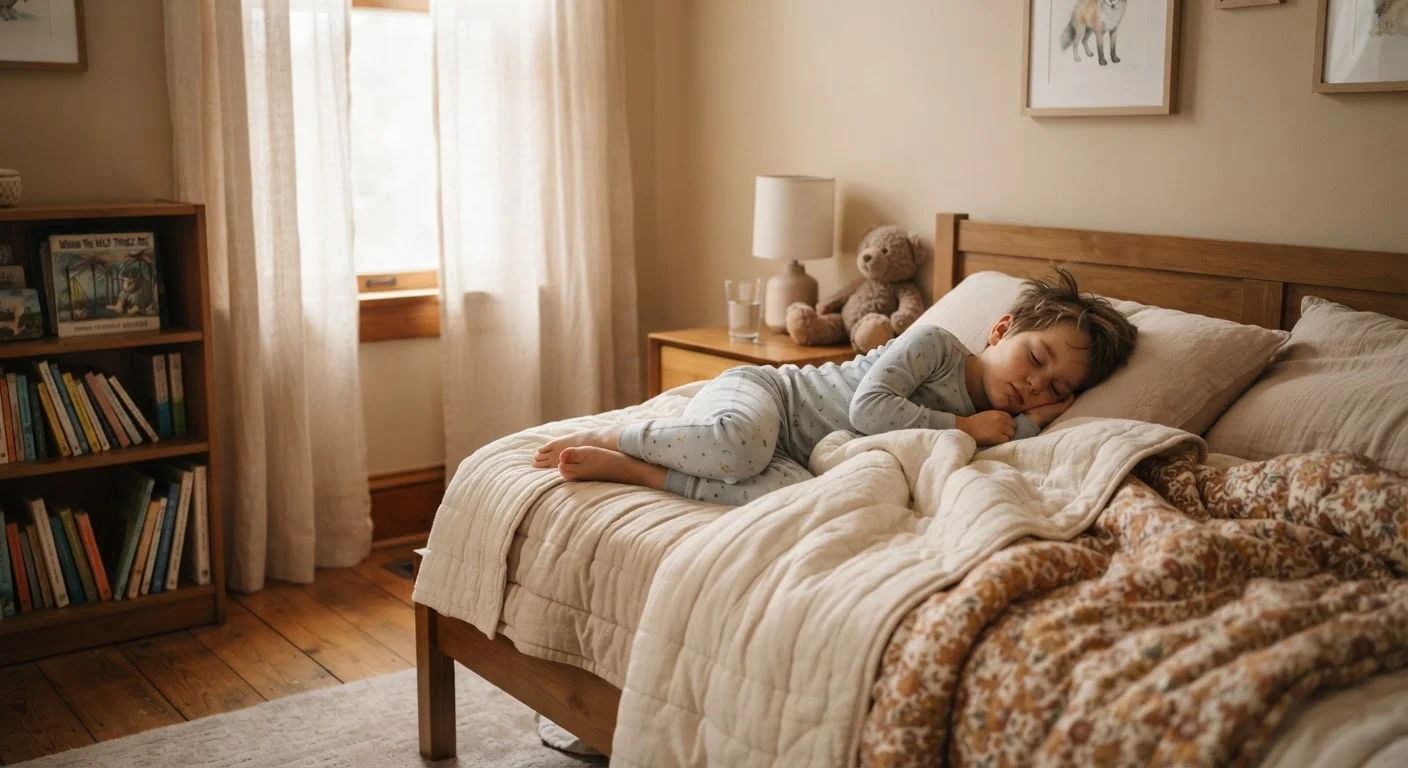
Photo credit: lifestyle-insights.com
In this article
Explore the general science behind sleep in growing children, common patterns that disrupt rest, and how families can support healthier habits.
Key Takeaways
- Children need significantly more sleep than adults, and those hours directly affect growth, immunity, and learning.
- Common family habits, such as inconsistent bedtimes and screen use before bed, reliably fragment children's sleep.
- Poor sleep in children can present as behavioral or attention problems, which families sometimes misread.
- Most sleep improvements cost nothing and rely on consistent routine rather than products or interventions.
What sleep actually does for a growing child
Sleep is not passive recovery time. During deep sleep, children's bodies release growth hormone, consolidate memories from the day, and carry out cellular repair. The brain processes and stores information learned during waking hours, which means sleep is directly tied to how well a child retains what they study or experience.
The immune system also depends on consistent, adequate sleep. Research from the NIH and CDC identifies sleep as a contributor to healthy immune response, with insufficient sleep associated with greater vulnerability to common illnesses. For families already watching healthcare costs, supporting sleep is one of the lowest-cost preventive measures available. It requires no equipment and no prescription.
Mental health is another area where sleep matters considerably. Children who sleep fewer hours than recommended are more likely to show symptoms of anxiety and depression, according to published research in pediatric sleep medicine. Families interested in a fuller picture of how mental health intersects with everyday habits may find it useful to read evidence-based guidance on childhood mental health.
Mistakes families commonly make around children's sleep
Most sleep disruptions in children trace back to a small number of repeated patterns. Some are understandable given busy family schedules; others follow from misinformation or habit. The mistakes below reflect what pediatric sleep research and clinical guidance identify as the most common and correctable errors.
Treating weekday sleep debt as something that can be recovered on weekends.
Why it happens: Parents often allow children to sleep in on Saturdays and Sundays, assuming those extra hours balance out the week. The logic feels intuitive, and it gives families flexibility during busy school nights.
Allowing screens in the bedroom or close to bedtime without limits.
Why it happens: Devices have become part of children's routines, and parents frequently use screens to wind children down in the evening because it appears to work in the short term.
Underestimating how much sleep a child actually needs based on age.
Why it happens: Many parents gauge their child's sleep needs by how tired the child appears, but children often do not show obvious fatigue the way adults do. A tired child can present as wired or difficult rather than drowsy.
Prioritizing homework and extracurricular schedules over consistent bedtimes.
Why it happens: Families want children to succeed academically and socially, and late practices or heavy homework loads often push bedtime later without a deliberate decision being made.
Ignoring sleep as a factor when a child has repeated illness or slow recovery.
Why it happens: Parents naturally focus on nutrition, hygiene, and vaccinations when thinking about immune health, and sleep often does not come up in those conversations.
Sleep deprivation can mimic other conditions
Chronically under-slept children often show symptoms that overlap with ADHD, anxiety, and mood disorders, including difficulty concentrating, irritability, and hyperactivity. Families and clinicians can sometimes misattribute these signs. If a child is struggling with attention or behavior, it is worth discussing sleep patterns with a pediatrician before drawing other conclusions.
Families who notice persistent sleep problems, such as loud snoring, frequent waking, or daytime sleepiness despite adequate hours, should bring those concerns to a pediatrician. Conditions like sleep apnea require clinical evaluation rather than routine adjustments. Preventive care visits are a practical setting for these conversations. See what preventive care visits cover to understand when and how to raise concerns like these.
This article is for general informational purposes only and is not a substitute for professional medical advice. Always consult a qualified healthcare provider with questions about your child's health or sleep.

Author
Health Editorial Team
Health Editorial Team is the collective byline for our editorial team and contributor network. Articles published under this byline or an editorial pen name are researched, written, and reviewed according to our editorial standards for clarity, consistency, and independence before publication.
View all articles →